














Adding muriatic acid to a pool means you are correcting water balance. You are bringing high pH down and, in some cases, helping lower total alkalinity too. The amount depends on your test results, your pool size, and the strength of the product you bought.
The way you pour it matters just as much. A careless add can irritate skin, damage some pool surfaces, stress equipment, and drive the water too low.
The safe approach is straightforward. Test the water, measure a small dose, add it to moving water, then let the pool circulate before you retest.
What Muriatic Acid Does and When to Use It
Muriatic acid lowers pH when pool water drifts too high. Many pool owners start thinking about acid once pH rises above about 7.8. A common target range is 7.2 to 7.8.
High pH causes real problems in a hurry. Chlorine loses some of its strength. Scale can build on tile, plaster, and equipment.
Water may look dull or cloudy. Swimmers may notice itchy skin or stinging eyes. When pH stays high, the pool gets harder to balance and more expensive to maintain.
Total alkalinity matters too. It acts as a buffer, so it affects how easily pH moves. When alkalinity runs high, pH often resists correction and then creeps back up. That is why a proper water test should include both pH and alkalinity, not pH alone.
Use muriatic acid when your test shows high pH and the pool needs correction.
How Much Muriatic Acid to Add to a Pool
The dose comes from four things: your current pH, your total alkalinity, your pool volume in gallons, and the acid strength on the bottle. Without those numbers, you are still guessing.
For a standard 31.45 percent muriatic acid product, small corrections in a 10,000 gallon pool are often measured in fluid ounces, not gallons. If pH is only a little high, such as 7.6 to 7.8, a first adjustment may be around 10 to 12 fluid ounces.
If pH is closer to 7.8 to 8.0, a first move may be closer to 16 fluid ounces. These are reference examples, not a universal chart. High alkalinity can change the amount you need, and larger pools need more acid than smaller ones with the same test result.
A conservative first dose is safer. When a calculator or label suggests a larger amount, many owners start with about half that amount, let the pool mix, and retest before adding more.
That lowers the risk of overcorrection. Fixing water that has gone too acidic is harder than making one more small adjustment.
If you do not know your pool’s gallon count, stop and find it first.

How to Add Muriatic Acid Safely
Start with protection and water movement. Wear splash proof goggles, chemical resistant gloves, and clothes that cover your skin. Open the bottle outdoors and stay out of the fumes. Keep children and pets away from the area. Turn the pump on before you open the container. Acid belongs in moving water, not still water.
For many new pool owners, dilution is the safer default. Put pool water in a clean plastic bucket first, then add the measured acid to the water.
Never reverse that order. Once the dose is ready, add it slowly to the pool in an area with strong circulation, often near the deep end. Keep the pour close to the water surface so the splash back stays low.
Two mistakes cause trouble fast. Do not pour muriatic acid into the skimmer. That can send a strong slug of acid through equipment that was never meant to take that hit. Do not dump the full dose in one tight spot. Muriatic acid is heavier than water, so poor mixing can leave a harsh concentration near the floor for too long.
Measure the dose first. Add it slowly to moving water.

What to Do After Adding Muriatic Acid to Your Pool
Most mistakes happen after the pour, not before it. Owners add one dose, test again too soon, see little change, and pour in more. That is how a mild correction turns into a big swing.
Keep the pump running and give the pool time to mix before you retest. In many backyard pools, that means about 4 to 6 hours of circulation. A larger dose or weaker circulation may call for more time. You want a reading you can trust, not a rushed one.
Swim timing depends on how much acid was added and how well the pool has mixed. For a small correction, many owners wait at least 30 to 60 minutes with the pump running, then confirm that pH is back in range.
A larger correction needs more circulation time and a retest before anyone gets in.
Chlorine and shock need their own window. A common safety rule is to leave about four hours between muriatic acid and chlorine, then retest before the next chemical step. Never mix the two in the same bucket or treat them as one fast cleanup job.
After an acid add, let the pool circulate, wait, and retest before you do anything else.
Why Some Pools Need Muriatic Acid More Often
Some pools push pH up faster than others. Saltwater pools are a good example. The salt system can drive pH upward over time, so many saltwater owners need smaller, more regular acid corrections.
Water features can do the same thing. Fountains, spillovers, deck jets, and other aeration heavy features release carbon dioxide from the water. As that happens, pH tends to rise. If your pool seems to need acid again and again, those features may be part of the pattern.
High alkalinity can add to the same problem. When alkalinity runs high, pH is more likely to drift upward and stay stubborn. In that case, muriatic acid is still the correction tool, but the long term fix starts with closer testing and controlled adjustments.
How to Keep Pool pH Problems Small Between Acid Treatments
Small pH problems are easier to fix, easier to track, and less likely to turn into large acid corrections. That is the goal between treatments. You want a pool that stays clear and consistent enough for you to catch pH drift early.
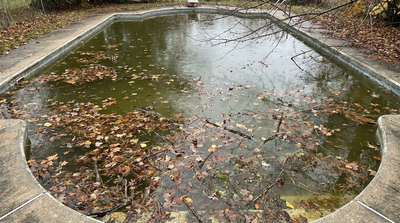
Routine cleaning matters more than many pool owners think. When debris sits in the water, builds up along the waterline, or collects in low circulation areas, the pool gets harder to read and harder to manage.
Small changes are easier to miss, and by the time you test again, the correction may be larger than it needed to be.
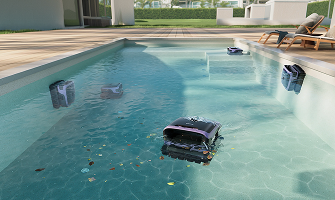
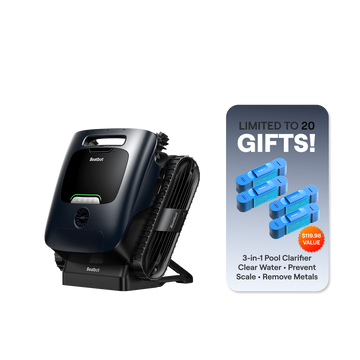
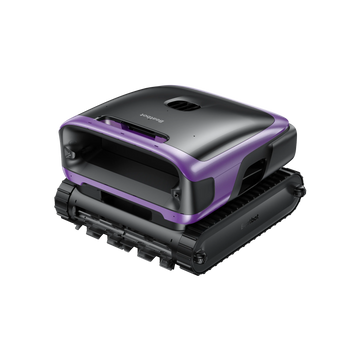
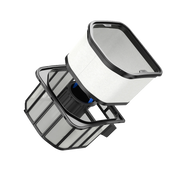
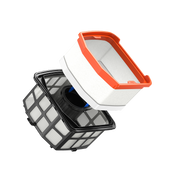
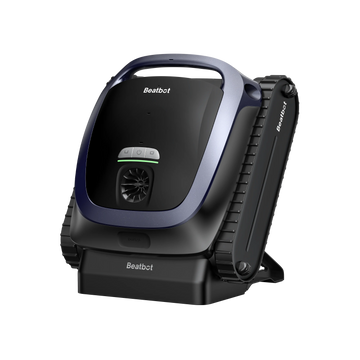
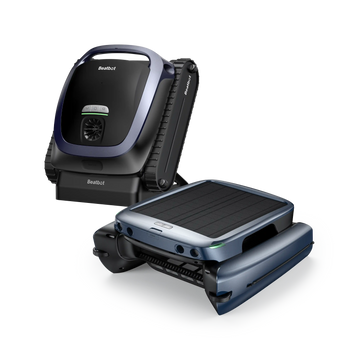
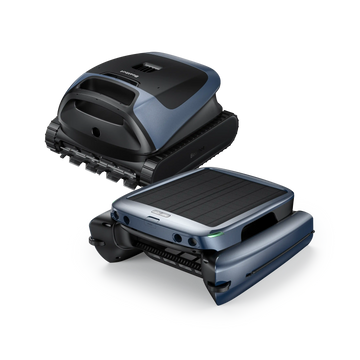
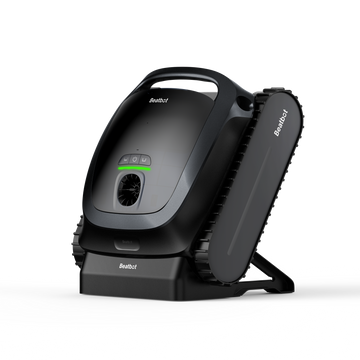
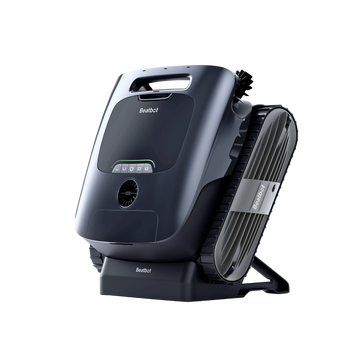
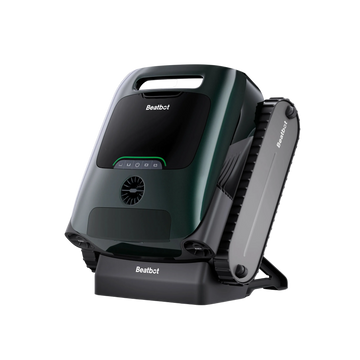
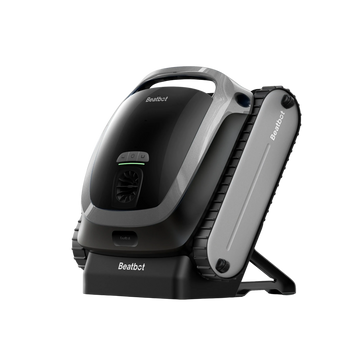
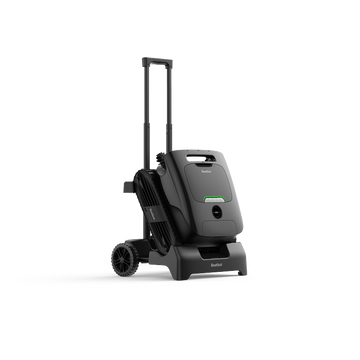
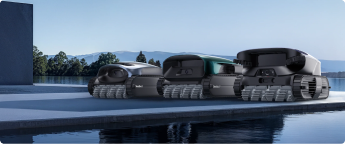
That is where a Beatbot robotic pool cleaner can help. Beatbot AquaSense X cleans the floor, walls, waterline, and surface, and it adds water clarification support, which helps keep the pool cleaner and easier to read between chemical adjustments.
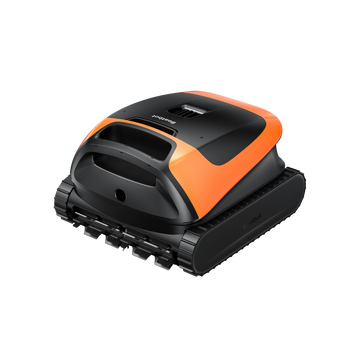
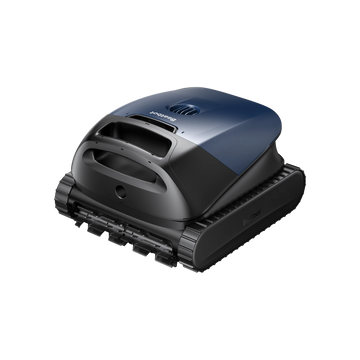
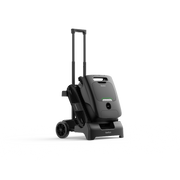
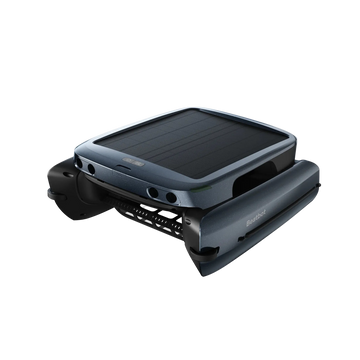
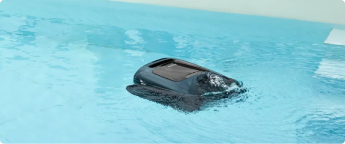
Beatbot Sora 70 helps on the surface side by cutting down the daily debris load before it sinks and adds to the problem. Neither one replaces water testing or chemistry decisions, but both can help you catch small pool issues earlier, before they turn into larger acid corrections.
FAQ
What time of day to add muriatic acid to a pool?
The best time is when the pump can run for several hours and the pool is not about to be used. A calm part of the day with good visibility is better than a rushed add right before a swim.
Can you add muriatic acid directly into a pool?
Yes, but it should be added slowly into moving water with the pump running. For many new pool owners, dilution in a bucket is the safer starting method because it gives better control and lowers splash risk.
How long do you have to wait to shock a pool after adding muriatic acid?
A common safety rule is to wait about four hours, then retest before adding shock. That helps you avoid stacking chemicals too quickly and gives you a more reliable reading.
Will muriatic acid clear a cloudy pool?
Not by itself in most cases. If cloudiness is tied to high pH, acid may help by bringing the water back into range. If the real cause is poor filtration, algae, or heavy debris, acid is only one part of the fix.
Should I add acid or chlorine first?
If pH is high, acid often comes first so chlorine can work better after the water is back in range. The two should not be treated as one back to back step. Add one, let the pool circulate, then retest before the next chemical move.