

 Sora Series


 AquaSense Series

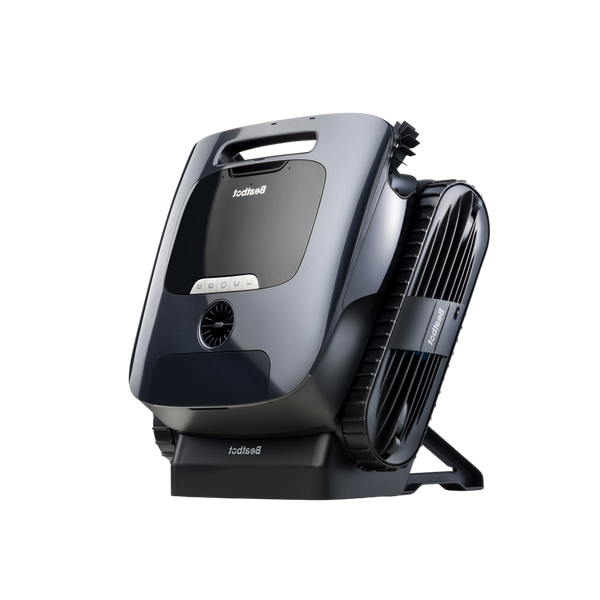


 Skimmer & Bundle

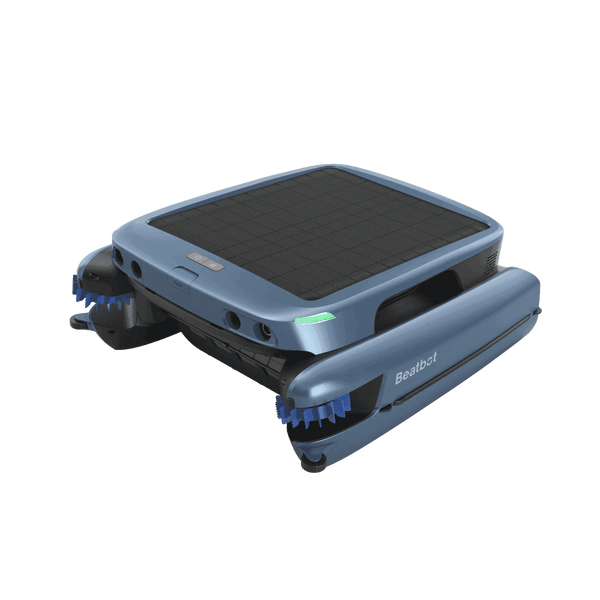
 Retail Edition
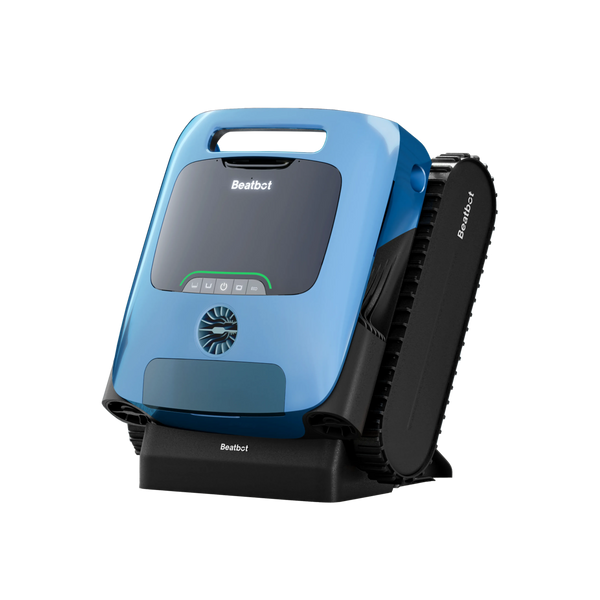


 Accessories

 Extended Warranty


Building an inground pool in 2026 typically costs between $35,000 and $120,000, with most homeowners landing somewhere between $44,500 and $87,500 for a standard installation. The national average sits around $66,000. That range covers a lot of ground, and where your project lands depends on three things above all: what the pool is made of, how large it is, and where you live.
Material is the biggest single driver of cost. Vinyl liner pools come in at the low end, fiberglass pools sit in the middle, and concrete pools can run well past $100,000 when fully customized.
Inground Pool Cost by Material
The material you choose shapes the entire budget, not just the upfront price.
|
Material |
Typical Cost Range |
Customization |
Long-Term Maintenance |
|
Vinyl Liner |
$35,000 – $80,000 |
Limited shapes |
Liner replacement every 7–15 yrs |
|
Fiberglass |
$45,000 – $70,000 |
Factory shapes only |
Lower ongoing maintenance |
|
Concrete / Gunite |
$50,000 – $120,000+ |
Fully custom |
Higher — resurfacing every 10–15 yrs |
Vinyl Liner Pools: $35,000 – $80,000
Vinyl liner pools offer the lowest upfront cost of any inground option. The structural walls are typically steel or polymer, and a custom-fitted vinyl liner creates the pool's interior surface. Installation is faster than concrete, usually completed within a few weeks.
The catch is ongoing replacement cost. Vinyl liners last between 7 and 15 years depending on water chemistry and usage. Replacement runs $4,000 to $8,000 each time, which matters if you're planning for a 20- or 30-year horizon.
Fiberglass Pools: $45,000 – $70,000
Fiberglass pools are pre-manufactured shells that arrive as a single unit and get lowered into the excavated hole by crane. Because the shell is manufactured offsite, installation is fast — typically one to three weeks from excavation to water. The smooth gelcoat surface is gentler on chemical consumption than concrete and resists algae growth better than vinyl.
The main limitation is shape. You are choosing from a manufacturer's catalog, not designing something custom. Pools wider than about 16 feet become difficult to transport and install, which effectively caps size options for most buyers.
Concrete and Gunite Pools: $50,000 – $120,000+
Concrete pools are built in place and can take virtually any shape, depth, or size. Gunite — a dry concrete mix sprayed with high-pressure water — is the most common method. Shotcrete uses pre-mixed wet concrete. Both create a durable, highly customizable structure.
The tradeoffs are time and long-term cost. Construction takes 3 to 6 months from breaking ground to your first swim. The porous surface needs replastering every 10 to 15 years, which typically costs $10,000 to $20,000 depending on the finish. Concrete pools also require more chemicals to maintain stable water chemistry. For a fully custom infinity pool or a pool with complex features, there is no substitute — but buyers should account for those ongoing costs from the start.

What Adds to the Cost Beyond the Base Pool Price?
The base pool shell or liner is just the starting point. For most projects, additional costs add up quickly.
Size and Shape
A standard 12×24 foot rectangular pool sits at the entry point for most estimates. Moving to a 16×32 or 20×40 foot pool adds $15,000 to $30,000 or more to the project. Custom freeform shapes and features like built-in benches, tanning ledges, or shallow wading areas require additional structural work — and with concrete pools, every design decision affects the final price.
Decking and Landscaping
A basic concrete deck around the pool perimeter runs $8 to $20 per square foot. Pavers, travertine, or natural stone can push that to $30 to $50 per square foot. Most homeowners budget $10,000 to $30,000 for pool surround and basic landscaping. Retaining walls, irrigation, privacy fencing, and extensive planting can add another $10,000 to $30,000 on top.
Equipment and Features
Pool equipment — pumps, filters, heaters, and automation systems — typically runs $5,000 to $15,000. A gas heater adds $2,500 to $5,000; a heat pump adds $3,000 to $7,000 installed. LED lighting, salt chlorination systems, water features like waterfalls or fountains, and outdoor kitchens each carry their own cost.
A spa addition runs $15,000 to $25,000 beyond the base pool price, pushing combined pool and spa projects to $85,000 to $105,000 and higher.
Site Conditions
Not all backyards are equally easy to build in. Rocky soil requires blasting, adding $5,000 to $20,000. Sloped lots need retaining walls. High groundwater may require dewatering during excavation. Limited access for heavy equipment can require smaller machinery that takes longer and costs more.
Site-specific conditions are one of the hardest things to anticipate in early budgeting and one of the most common reasons final costs exceed initial quotes.

How Much Does Location Affect Pool Costs?
Location affects pool cost in two ways: labor rates and local permitting requirements. Labor in high-cost metro areas like California, New York, or the Northeast runs 20% to 40% higher than in the South or Midwest. A concrete pool that costs $70,000 in Texas might cost $95,000 or more in Los Angeles or the Bay Area.
Permitting and inspection fees vary by municipality but typically add $1,500 to $5,000 to the project. Some jurisdictions require specific safety features — self-latching gates, pool alarms, or specific fencing height — that carry additional costs. Climate also plays a role: pools in freeze climates need winterization equipment and more robust plumbing to prevent freeze damage, while pools in hot desert climates may benefit from shade structures and solar heating.
|
Region |
Labor Cost Relative to National Avg. |
Notes |
|
California (coastal) |
+30% to +45% |
High labor and permit costs |
|
Northeast (NY, NJ, MA) |
+20% to +35% |
Shorter construction season |
|
Southeast (FL, TX, GA) |
At or below avg. |
Year-round construction |
|
Midwest |
-5% to -15% |
Lower labor rates |
|
Mountain West |
+10% to +20% |
Site conditions vary widely |
Annual Pool Maintenance Costs
Annual maintenance costs for an inground pool run $1,200 to $5,000 depending on pool type, size, region, and whether you handle maintenance yourself or hire a service. That number covers chemicals ($500 to $1,200 per year), electricity for the pump ($300 to $1,200 per year depending on pump efficiency and run time), and routine cleaning.
Professional pool service — weekly chemical testing, skimming, and brushing — runs $100 to $250 per month. Pool opening and closing for winter climates typically adds $300 to $500 per season. Setting aside $500 to $1,000 annually for minor repairs, equipment servicing, and filter replacement is a reasonable buffer.
A robotic cleaner cuts the manual side of that maintenance load. The Beatbot Sora 30 robotic pool cleaner scrubs the floor, walls, and waterline in a single cycle — the three zones that account for most of the brushing and vacuuming work that service calls are called in for. Its 6,800 GPH suction handles everything from fine sand to leaves without multiple passes, and the 10,000mAh battery covers pools up to 3,200 sq ft on one charge.
Pool and Spa Combination Costs
A combined pool and spa built together — sometimes called a pool with an attached spa or spillover spa — typically costs $85,000 to $105,000 for a standard installation and can exceed $150,000 for fully custom designs. The spa shares the pool's circulation and heating equipment, which makes combining them at the time of initial construction significantly less expensive than adding a spa later.
Standalone above-ground or portable spas cost $5,000 to $12,000 and are a separate budget category.
How to Budget for a Pool Build
The most common mistake in pool budgeting is treating the contractor's quote as the total project cost. It rarely is. Decking, fencing, landscaping, permits, and equipment upgrades are typically quoted separately — and often separately from each other.
A practical framework: start with the base pool cost from at least three contractor quotes. Add 20% to 30% for decking and immediate landscaping. Add 10% for equipment upgrades you are likely to want (heater, LED lighting, automation). Add $2,000 to $5,000 for permits and inspections. Then hold back 10% to 15% of the total as a contingency buffer for site surprises.
For owners who want full-pool coverage from day one without managing multiple devices, the Beatbot Sora 70 robotic pool cleaner handles all four zones — floor, walls, waterline, and water surface — in one machine.
The water surface cleaning uses JetPulse technology: two side-mounted jets each project water both inward and outward simultaneously, with inward flows guiding floating debris toward the suction inlet and outward flows blocking it from bypassing around the robot's sides. The result is higher capture rate on leaves, pollen, and surface debris compared to suction-only surface cleaners.

How to Finance an Inground Pool
Most homeowners finance pool construction rather than paying cash. The most common routes are home equity loans, home equity lines of credit (HELOCs), cash-out refinancing, and personal loans. Home equity products typically offer better interest rates because the loan is secured against the property's value. Personal loans are unsecured and carry higher rates but require no home equity.
Some pool builders offer financing through third-party lenders, which can simplify the process but may carry less favorable terms than a home equity product from your own bank. Rate shopping across at least two or three lenders before committing to financing is worth the time on a project of this size.
Is an Inground Pool Worth the Investment?
For homeowners who plan to stay in their home for at least 10 years and live in a climate where the pool will see regular use, an inground pool typically delivers strong value in quality-of-life terms, even if the return on investment at resale is partial. Families with children, regular entertainers, and households where fitness is a priority tend to get the most use out of a pool over time.
Where the value case gets weaker: homes in colder climates where the pool is usable for only 3 to 4 months per year, or lots where a small backyard leaves little functional space once the pool is installed. In those cases, the annual maintenance cost relative to actual use hours makes the financial case harder to justify.
For large pools in high-use households, automation is where the ongoing cost picture improves most. The Beatbot AquaSense 2 Ultra robotic pool cleaner uses HybridSense™ Pool Mapping — combining an AI camera, infrared sensors, and ultrasonic sensors — to scan the pool layout and plan efficient cleaning paths across the floor, walls, waterline, and water surface. It also automatically dispenses ClearWater™ clarifying agent while cleaning, which binds fine particles into larger clumps for easier filtration.
For pools over 3,000 sq ft with complex layouts, that combination of coverage and scheduling reduces the frequency of manual service calls meaningfully.
FAQs
How much does a 12x24 inground pool cost?
A 12×24 foot inground pool typically costs $35,000 to $65,000 depending on material. A vinyl liner version at this size runs $35,000 to $50,000; fiberglass is $45,000 to $60,000; concrete starts around $55,000 to $65,000. These figures cover the pool structure and basic equipment but not decking, fencing, or landscaping.
How long does it take to build an inground pool?
Fiberglass pools install in 1 to 3 weeks after excavation. Vinyl liner pools take 3 to 6 weeks. Concrete and gunite pools require 3 to 6 months from groundbreaking to completion due to curing time and surface finishing steps.
Do I need a permit to build an inground pool?
Yes, in virtually every U.S. jurisdiction. Pool permits cover structural inspection, electrical work, fencing requirements, and sometimes drainage. Budget $1,500 to $5,000 for permit fees and plan reviews. Your contractor typically manages permit filing, but confirming this upfront avoids surprises.
Does an inground pool increase home value?
An inground pool typically adds 5% to 8% to resale value in warm-climate markets where pools are expected. In northern climates with shorter swim seasons, the value contribution tends to be lower. A pool rarely returns its full construction cost at resale, so the primary value is in years of use rather than investment returns.
What is the cheapest time of year to install a pool?
Fall and winter are typically the cheapest times to sign a pool contract in most U.S. markets. Demand drops after summer, which gives contractors more scheduling flexibility and sometimes results in lower bids or included upgrades. In cold-climate regions where construction pauses in winter, late fall is the best window to lock in pricing for a spring build.


