Most Popular


 Sora Series


 AquaSense Series

 Skimmer & Bundle

 Retail Edition


 Accessories


The best pool salt is high-purity sodium chloride made for swimming pools, ideally 99.8 percent pure or higher, non-iodized, and free of anti-caking agents. Pool salt is the plain granulated salt your salt chlorine generator converts into chlorine, so its purity decides how cleanly your pool runs. A pure bag keeps your salt cell working longer, protects your surfaces from staining, and dissolves faster than the impure alternatives sitting on a hardware store shelf. The wrong bag can stain plaster, cloud the water, and shorten the life of a cell that costs several hundred dollars to replace. Choosing the right salt is one of the cheapest and most worthwhile decisions in saltwater pool care.

What Is Pool Salt and What Does It Do?
Pool salt is granulated sodium chloride, the same compound as table salt, ground and packaged for use in a saltwater pool. It does not sanitize the water on its own. Your salt chlorine generator, also called a salt cell or chlorinator, runs an electrical current through the dissolved salt in a process called electrolysis, which splits the sodium chloride and releases chlorine. That chlorine sanitizes the pool, then recombines back into salt, and the cycle repeats.
Salt is the raw material your generator turns into chlorine, so its purity shapes how well the whole system runs. A saltwater pool is still a chlorine pool. The salt simply lets the system make chlorine on demand instead of you pouring it in by hand.
Because the same salt recycles through the cell thousands of times, anything you add along with it stays in the water and passes through the cell again and again. A clean bag gives the cell nothing extra to work through, while a dirty one keeps feeding impurities back through your most expensive component.
What Is the Best Type of Pool Salt?
The best type of pool salt is mined, high-purity sodium chloride sold as pool-grade salt, because it carries the fewest impurities and dissolves quickly. Salt for pools generally comes from three sources, and the real difference is not the salt itself but how it is produced and how clean it ends up.
Solar salt comes from seawater left to evaporate in open ponds. It is inexpensive to produce, but the process leaves behind organic matter such as dead brine shrimp and bacteria, plus whatever minerals were in the source water. Those impurities give your cell and filter more to deal with.
Mechanically evaporated salt uses controlled heat instead of the sun. The heat burns off the organic matter, but mineral impurities such as iron, copper, calcium, and magnesium can remain depending on the source water. Iron and copper are the ones to watch, since they stain pool surfaces.
Mined salt is pulled from underground deposits and is the purest of the three, often 99 percent sodium chloride or higher. Most bags labeled pool salt are finely ground mined salt, which is why they dissolve faster and leave less residue behind.
Purity is the practical line between the three, and it climbs as the production method gets more controlled.
| Salt Source | Typical Purity | Main Drawback | Best Use |
|---|---|---|---|
| Solar Salt | 95 to 99% | Organic and mineral impurities | Lower cost, more upkeep |
| Mechanically Evaporated | 99% and up | Residual metals and minerals | Workable, watch for staining |
| Mined Pool Salt | 99.8% and up | Slightly higher price | Recommended for salt cells |
For a salt chlorine generator, a mined pool-grade bag at 99.8 percent purity or higher is the safe default.

What Purity Should Pool Salt Be?
Pool salt should be at least 99.8 percent pure sodium chloride. The higher the purity, the less the salt stains your pool, strains your salt cell, or throws off your water chemistry.
The leftover fraction in a bag of salt is rarely harmless filler. It is usually minerals such as calcium, iron, and copper. Calcium adds to your pool's calcium hardness and can scale up the salt cell. Iron and copper can stain plaster and fittings, sometimes within minutes on a fresh concrete surface with exposed aggregate or new plaster.
A cleaner cell also lasts longer. Salt cells wear down with normal use and cost real money to replace, so anything that makes the cell grind through extra mineral buildup shortens its life. Purity is the one spec on the bag that protects your equipment.
Which Salt Additives Should You Avoid?
Avoid any pool salt that contains anti-caking agents, iodine, or calcium chloride, because each one creates a specific problem in a saltwater pool. The most common offender is an anti-caking agent called sodium ferrocyanide, also sold as yellow prussiate of soda, or YPS.
YPS is an iron-based compound added to stop salt from clumping in the bag. That does no harm in a food shaker, but in a pool the iron can stain surfaces and interferes with the electrolysis inside your salt cell. Salt sold for cooking is the usual source, since it is treated to pour freely.
Three groups of additives are worth screening out at the shelf:
- Anti-caking agents such as sodium ferrocyanide (YPS), sodium aluminosilicate, and calcium silicate, which can discolor plaster, liners, and fittings
- Iodine and its stabilizers, found in iodized salt, which your pool does not need and which can tint the water
- Calcium chloride and de-icing rock salt, which carry heavy impurities that stain and cloud
The safest label is the shortest one. A list that reads only sodium chloride, with nothing else beside it, is the bag you want.

Can You Use Table Salt or Water Softener Salt?
Do not use table salt, but you can use water softener salt if it is at least 99.5 percent pure and free of additives. Table salt is the wrong choice because it almost always carries anti-caking agents and often iodine, the exact impurities that stain pools and interfere with the cell.
Plain water softener salt is a different case. Many salt chlorine generator manufacturers accept high-purity softener salt or evaporated salt pellets, as long as the purity is 99.5 percent or higher and the bag lists no additives for cleaning softeners or removing iron. It usually costs less per bag than salt marketed for pools. The tradeoff is that pellets and coarser crystals dissolve more slowly, so you brush longer and wait longer before the reading settles.
Pool salt is the easiest choice, high-purity softener salt is an acceptable cheaper substitute, and table salt is the one to leave in the kitchen.
How Much Salt Does a Saltwater Pool Need?
Most saltwater pools run best at 2,700 to 3,400 ppm, with 3,200 ppm as the common target across major salt systems from Hayward, Pentair, and Jandy. Starting from zero, a 10,000-gallon pool usually takes about six to seven 40-pound bags to reach that range, though the exact amount depends on your pool volume and current reading.
Test your water first and balance pH and alkalinity before you add anything. Turn the generator off, leave the pump running, and broadcast the salt across the pool in a wide pattern rather than dumping it in one pile. Brush it to help it dissolve. Purer salt matters here too, since high-purity granular salt dissolves faster and lets you retest sooner.
Add salt in measured stages and retest, because pulling salt back out means draining and refilling water. Once the level sits near 3,200 ppm, most pools only need a top-up once or twice a season to replace salt lost to splashout, backwashing, or a partial refill.

Why Even Clean Salt Needs Filtration and Clarification
Even 99.8 percent salt introduces a small amount of trace minerals and metals over a full season, and those, along with body oils, sunscreen, and fine debris, are what leave water looking dull. High-purity salt keeps that load low, while filtration and clarification clear the everyday particles that still cloud a pool.
The finer the particle, the harder it is for a standard filter to catch. Sub-visible metals and oils can pass straight through the filter and slowly tint or cloud the water, the same staining risk that impure salt raises, only spread out over weeks.
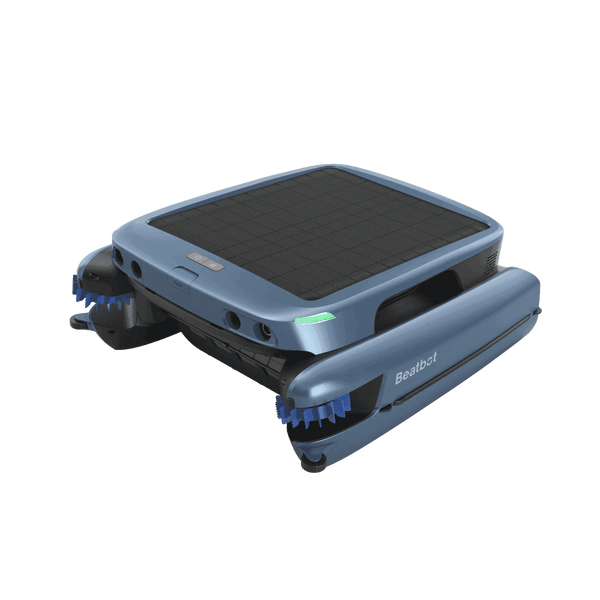
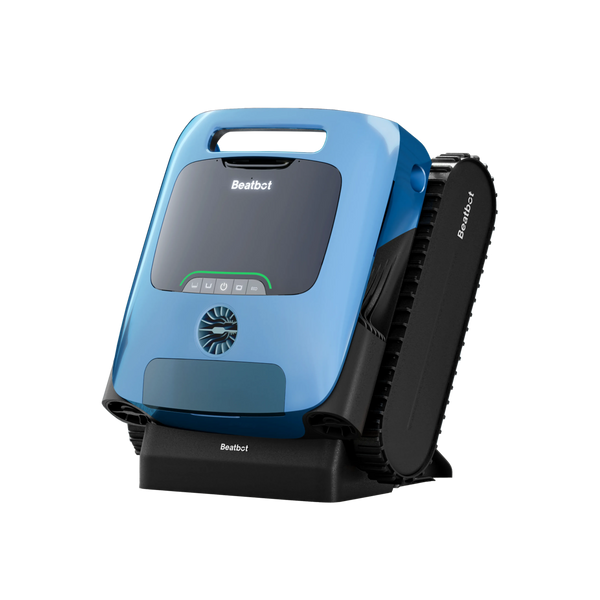
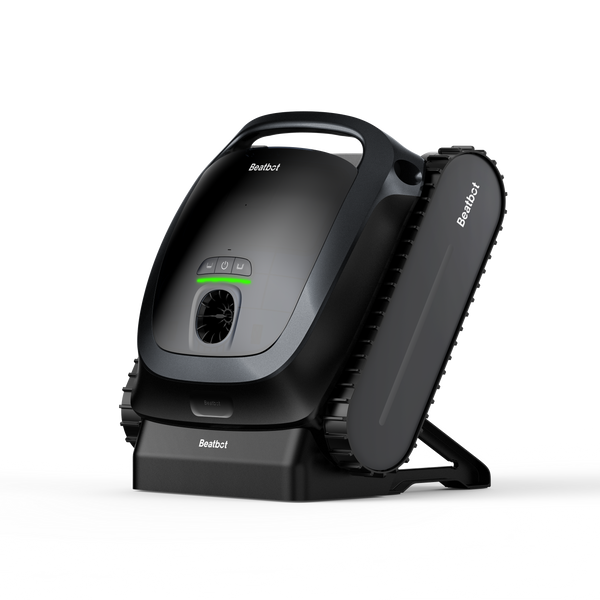
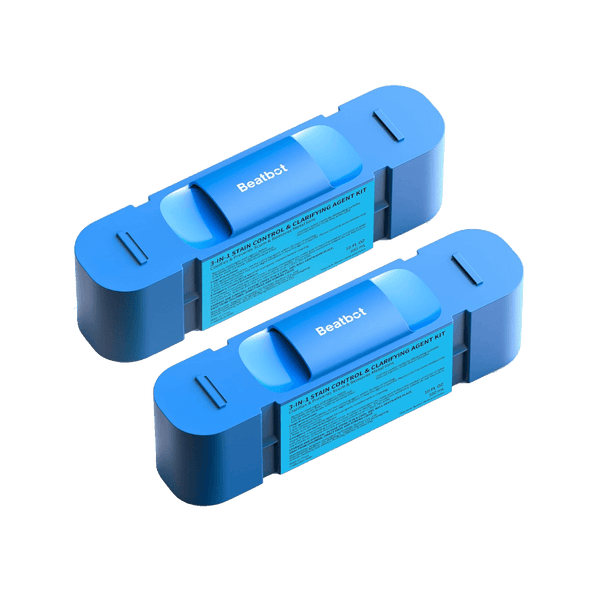
A robotic pool cleaner that pairs fine filtration with water clarification handles both jobs in one pass. The Beatbot AquaSense 2 Ultra robotic pool cleaner captures debris down to 150 microns through its dual layer filtration, and its ClearWater clarification system dispenses a natural clarifier made from recycled crab shells that binds dirt, oils, and metal residues into larger clumps the filter can then collect. That targets the exact residue trace impurities and swimmer load leave behind, so the water your salt cell chlorinates stays clearer between cleanings. One clarifier kit treats up to 99,000 gallons and lasts about a month with weekly use. Its job is the physical side of water clarity, the part clean salt cannot cover on its own, so it works alongside your salt cell rather than replacing it.
Clean salt reduces what enters your water, and strong filtration paired with clarification removes what still slips past.

FAQs
Does the brand of pool salt matter?
Brand matters less than what the label says. Any bag of at least 99.8 percent pure sodium chloride with no anti-caking agents or iodine works well, whatever name is on the front. Read the ingredients, not the logo.
Does pool salt go bad or expire?
Pool salt does not expire. Stored dry, it lasts indefinitely, though it can harden into clumps if it absorbs moisture from the air. Break up any clumps before adding so the salt dissolves evenly instead of sitting on the floor.
Will pool salt corrode my ladder and metal fixtures?
Not at normal levels. At the 3,200 ppm target, salinity sits at roughly a tenth of ocean concentration, low enough that quality fixtures hold up well. Corrosion risk rises mainly when salt runs too high or metals are already in the water.