Most Popular


 Sora Series


 AquaSense Series

 Skimmer & Bundle

 Retail Edition


 Accessories


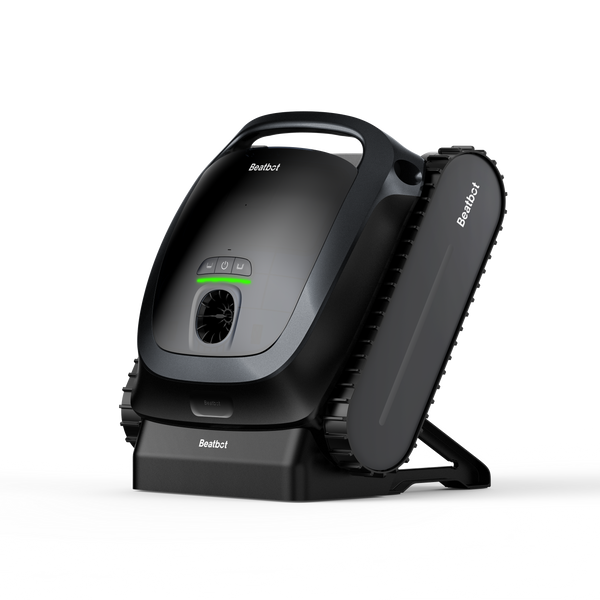
The Beatbot Sora 70 and Sora 30 both clean pool floors, walls, waterlines, and shallow areas. The main difference is that the Sora 70 also removes floating debris from the water surface. This comparison explains how their cleaning performance, features, battery life, and everyday usability differ.
Beatbot Sora 70 vs Sora 30 Comparison
The Sora 70 and Sora 30 use the same battery, suction power, roller brush system, and core underwater cleaning technology. The main upgrades on the Sora 70 are active water surface cleaning, additional cleaning modes, a larger debris basket, and more advanced control features.
| Feature | Beatbot Sora 70 | Beatbot Sora 30 |
|---|---|---|
| Cleaning areas | Water surface, floor, walls, waterline, and shallow platforms | Floor, walls, waterline, and shallow platforms |
| Water surface cleaning | Yes, with JetPulse technology | No |
| Shallow water cleaning | As shallow as 8 inches | As shallow as 8 inches |
| Suction power | 6,800 GPH | 6,800 GPH |
| Floor cleaning time | Up to 5 hours | Up to 5 hours |
| Water surface cleaning time | Up to 7 hours | Not available |
| Maximum coverage | Up to 3,229 sq. ft. | Up to 3,230 sq. ft. |
| Battery capacity | 10,000 mAh | 10,000 mAh |
| Debris basket | 6L | 5.2L |
| Standard filtration | 150 μm | 150 μm |
| Optional filtration | 3 μm | 3 μm |
| Cleaning modes | 5 | 3 |
| Water surface remote control | Yes | No |
| Sensors | 18, including 2 ultrasonic sensors | 13, including 2 ultrasonic sensors |
| Motors | 8 | 4 |
| Weight | About 22.9 lbs. | 19.6 lbs. |
| Warranty | 3 years | 2 years |
On paper, their underwater cleaning specifications are remarkably close. The Sora 70 costs more primarily because it expands cleaning to the water surface and adds greater control, capacity, and warranty coverage.
The Biggest Difference Is Water Surface Cleaning
Both the Sora 70 and Sora 30 clean the pool floor, walls, waterline, and shallow areas. The real difference is at the surface. The Sora 70 can collect floating leaves, insects, and pollen, while the Sora 30 stays focused on underwater cleaning. That matters most in pools exposed to trees or windblown debris.
What JetPulse Surface Cleaning Actually Does
Floating debris does not always stay in front of a pool cleaner. Leaves, pollen, insects, hair, and grass clippings can drift away before suction pulls them in. That is the problem JetPulse is designed to solve.
The Sora 70 has two water jets, one on each side. Each jet pushes water both inward and outward, creating four coordinated streams around the robot. These streams control the movement of the water and guide floating debris toward the cleaner as it travels across the surface.
 (JetPulse uses coordinated water flows to guide floating debris toward the cleaner instead of letting it drift away.)
The result is less debris left behind and less time spent using a handheld skimmer. The Sora 70 can clean the surface for up to 7 hours, and remote navigation lets you steer it toward leaves or insects gathered near the pool edge.
Which Pools Benefit Most?
If your pool is surrounded by trees or stays uncovered for most of the season, you already know the routine. A little wind comes through, and suddenly there are leaves, pollen, bugs, and grass clippings floating across the water. Before long, you are back outside with the skimmer.
That is the kind of pool where the Sora 70 is most useful. It can spend up to seven hours collecting surface debris before it sinks, while remote navigation lets you steer it toward debris gathered along the walls or in the corners.
But if you keep your pool covered or your built-in skimmer already handles most floating debris, the Sora 30 will probably cover the cleaning that matters most.
How the Sora 70 and Sora 30 Perform Underwater
The Sora 70 gets more attention because it cleans the water surface. Underwater, though, the two models are much closer.
Both deliver 6,800 GPH of suction, use four bottom roller brushes, and run on a 10,000mAh battery. Both can also clean the pool floor for up to five hours and cover roughly the same maximum pool area.
So, the Sora 70 is not a major upgrade in basic underwater cleaning power. The biggest difference still comes down to what it can do at the surface.
Floor Cleaning
Both models are built to handle the everyday mess that settles at the bottom of a pool. That includes dust, sand, algae, leaves, and other debris.
The four roller brushes scrub the floor as the cleaner moves, helping loosen debris before the suction pulls it into the basket. Both models also follow an S-shaped cleaning path, so they cover the floor in a more organized pattern instead of moving around at random.
For pools where most debris ends up on the floor, the Sora 30 already handles the main cleaning job well.
Wall and Waterline Cleaning
The Sora 70 and Sora 30 both climb the pool walls and scrub along the waterline. The tracks help them hold onto sloped and vertical surfaces, while the brushes work on oils, sunscreen, algae, and the buildup that often forms around the edge of the pool.
Both models can work on common pool surfaces, including concrete, tile, vinyl, and fiberglass. Wall and waterline cleaning is not a Sora 70-only feature. The Sora 30 handles these areas too.
Shallow Steps and Platforms
Both the Sora 70 and Sora 30 can clean shallow areas in water as low as 8 inches. That includes tanning ledges, Baja shelves, and wider shallow steps where dirt and algae tend to collect.
A lower ultrasonic sensor reads changes in height and slope as the cleaner moves. This helps it recognize the platform, stay on the surface while cleaning, and turn before dropping back into the deeper part of the pool.
For the best results, the platform should measure about 3.3 by 3.3 feet or larger. The same depth and size guidance applies to both models, so the Sora 30 remains a practical option for pools with shallow ledges or platform areas.

Navigation, Sensors and Cleaning Modes
Both models use intelligent navigation for obstacle avoidance and systematic pool coverage. The Sora 70 has a more complex system because it must navigate both the water surface and underwater.
Navigation Hardware
The Sora 70 uses 18 sensors and eight motors, while the Sora 30 uses 13 sensors and four motors. Both support SonicSense obstacle avoidance and S shaped floor path planning for more systematic coverage.
The Sora 70 needs additional hardware because it operates on both the water surface and underwater. This does not mean it delivers twice the underwater cleaning performance. Both models provide the same rated 6,800 GPH suction power and clean the floor, walls and waterline.
Cleaning Modes
The Sora 70 offers five cleaning modes:
-
Water Surface Mode collects floating leaves, insects and pollen.
-
Floor Mode focuses on dirt and debris settled on the pool bottom.
-
Pro Mode provides the most complete cleaning cycle across surface and underwater areas.
-
Standard Mode handles regular floor, wall and waterline cleaning.
-
Eco Mode runs scheduled floor cleaning for light routine maintenance.
The Sora 30 offers three modes: Floor Mode, Standard Mode and Eco Mode. These cover the main underwater cleaning tasks, but the Sora 30 does not include surface cleaning or Pro Mode.
App and Remote Control
Both models support the Beatbot App, dual band Wi Fi, Bluetooth and one touch recall. Users can select cleaning modes, check status updates and bring the cleaner closer to the pool edge for retrieval.
The Sora 70 also supports remote navigation on the water surface. Users can guide it toward visible floating debris or a preferred collection point. This feature does not support manual underwater steering.
Battery Life and Pool Coverage
The Sora 70 does not provide longer floor cleaning time than the Sora 30. Both models use a 10,000mAh battery, deliver up to five hours of floor cleaning, take about 4.5 hours to charge and cover around 3,230 square feet.
The Sora 70 adds up to seven hours of water surface cleaning, but this applies only to surface operation. Its underwater cleaning runtime is similar to the Sora 30, so the main battery advantage is extended surface debris collection rather than longer floor cleaning.
| Cleaning Mode | Sora 70 Runtime | Sora 30 Runtime |
| Water Surface Mode | Up to 7 hours | Not available |
| Floor Mode | Up to 5 hours | Up to 5 hours |
| Standard Mode | About 4.5 hours | About 4.5 hours |
| Pro Mode | Varies by cleaning task | Not available |
| Eco Mode | Scheduled floor cleaning cycles | Scheduled floor cleaning cycles |
Which Beatbot Sora Model Fits Your Pool Routine
Beatbot Sora 70 is the better fit when floating debris keeps turning into its own task.
That shows up most often in pools near trees, in yards with regular pollen, or in pools where the top layer keeps needing a pass with a skimmer. In that setting, active water surface cleaning is more than an extra feature. It removes a step that keeps coming back. If surface debris is part of your weekly routine, Beatbot Sora 70 solves a problem Beatbot Sora 30 is not built to solve.
Beatbot Sora 30 is the better fit when most of the cleaning burden stays below the surface. If your routine centers on debris on the floor, buildup on the walls, residue at the waterline, and dirt across shallow ledges, Beatbot Sora 30 already covers the zones doing most of the work. You are not giving up shallow area cleaning, wall cleaning, or waterline cleaning. You are deciding that active surface skimming is not something your pool really needs.
The choice is direct. Choose Beatbot Sora 70 if you want one pool cleaning robot to handle floating debris and the main cleaning zones below it. Choose Beatbot Sora 30 if your regular pool care stays focused on the floor, walls, waterline, and shallow areas.
Other Beatbot Sora 70 vs Sora 30 Differences That Matter
Once you know whether surface cleaning belongs in the job, the rest of the comparison gets easier.
Beatbot Sora 70 has a 6 liter debris basket. Beatbot Sora 30 has a 5 liter basket. That extra capacity matters more in heavier debris conditions, where a larger basket can support longer uninterrupted cleaning. In lighter debris conditions, the difference may not change much.
Beatbot Sora 70 offers five smart cleaning modes. Beatbot Sora 30 offers three. More modes can give you finer control over how the robotic pool cleaner runs, but that only matters if you plan to use that extra flexibility.
|
Cleaning Mode |
Beatbot Sora 70 |
Beatbot Sora 30 |
|---|---|---|
|
Floor Mode |
✓ |
✓ |
|
Standard Mode |
✓ |
✓ |
|
ECO Mode |
✓ |
✓ |
|
Water Surface Mode |
✓ |
— |
|
Pro Mode |
✓ |
— |
|
Platforms Mode |
✓ |
— |
Beatbot Sora 70 includes remote controlled water surface navigation in the Beatbot app. That feature fits its surface cleaning role and has the most value for buyers who already know the surface is part of the job.
Runtime and coverage are close. Beatbot Sora 70 is rated for up to 7 hours of continuous water surface cleaning and up to 5 hours of floor cleaning. Beatbot Sora 30 is rated for up to 5 hours of continuous cleaning. Coverage is similar, with Beatbot Sora 70 up to 3,230 square feet and Beatbot Sora 30 up to 3,200 square feet. These numbers can help refine the choice, but they do not override the bigger split.
Warranty is the last clear separator. Beatbot Sora 70 includes a 3 year warranty. Beatbot Sora 30 includes a 2 year warranty. That matters more for buyers who care more about longer term ownership support.
If your pool often needs surface cleanup, Beatbot Sora 70 still has the clearer advantage. If your routine stays centered below the surface, Beatbot Sora 30 still lines up with the work your pool actually creates.
FAQs
Does Beatbot Sora 70 still make sense if I already skim the pool by hand?
Yes. Beatbot Sora 70 still makes sense if surface debris shows up often. Manual skimming works, but it adds a separate step. Beatbot Sora 70 folds that step into the same cleaning cycle.
If I do not care about surface cleaning, do the extra modes on Beatbot Sora 70 matter much?
No. If surface cleaning is not part of your routine, the extra modes should not drive the decision. They add flexibility, but they do not change the main job if your pool care stays below the surface.
Is the larger debris basket on Beatbot Sora 70 a real advantage or just a spec difference?
It is a real advantage in heavier debris conditions. A larger basket helps the robotic pool cleaner stay in the water longer without interruption. In lighter debris conditions, the difference is much smaller.
Which model is the better fit for a pool near trees?
Beatbot Sora 70 is the better fit for a pool near trees. Floating leaves and light surface debris are where active water surface cleaning has the clearest value.
Which model is the better fit for buyers who care more about below surface cleaning than all in one coverage?
Beatbot Sora 30 is the better fit. If your main concern is the floor, walls, waterline, and shallow areas, Beatbot Sora 30 already covers the zones doing most of the work.