

 Sora Series

 AquaSense X Series

 AquaSense Series


 Skimmer Series
 Retail Edition


 Accessories

 Extended Warranty


Cloudy pool water is not one single problem. It is a sign that something in the system is off. In most backyard pools, the cause falls into four buckets: weak filtration or poor circulation, low sanitizer, water chemistry that has drifted out of range, or a load of debris and early algae the pool cannot keep up with.
That is why one quick fix often misses the mark. Shock can help, but it will not fix high pH, a dirty filter, or a cloud of fine particles still hanging in the water.
Clear water comes back faster when you figure out the main cause first, then deal with it in the right order.
What Causes Cloudy Pool Water?
Pool water turns cloudy when small waste stops getting cleared out fast enough. Instead of being sanitized, filtered out, or brushed loose and removed, tiny particles stay suspended in the water. In most cases, one of four issues is behind it.
Filtration and circulation problems
A pool can look blue and still stay cloudy when water is not moving through the system well enough. Fine dirt, pollen, dead algae, body oils, and other small particles need to reach the filter before the pool can clear. A dirty filter, full baskets, weak return flow, or short pump run times can slow that process down.
This kind of cloudiness often shows up after storms, heavy pool use, or spring opening. The system gets overloaded, and the water loses that clean, sharp look.
Low chlorine and chloramines
Low free chlorine is one of the most common reasons pool water turns cloudy. When free chlorine drops too low, the pool loses the sanitizer that keeps bacteria, organics, and algae under control. The water does not always turn green first. It often turns dull or hazy.
Used-up chlorine matters too. When chlorine binds to waste from swimmers, sunscreen, sweat, or other organics, it forms combined chlorine, often called chloramines. That sharp pool smell many people take as a sign of strong chlorine often points to chlorine that has already been spent.
Water chemistry that is out of range
High pH can cloud a pool fast. It weakens chlorine and raises the chance of scale. High total alkalinity can push pH upward and make the water harder to stabilize. High calcium hardness can give the pool a milky or whitish cast, most often when pH is high at the same time.
Cyanuric acid, or CYA, matters too. Low CYA lets sunlight burn through chlorine too fast. High CYA can make chlorine work less effectively. Either case can leave a pool cloudy even after chlorine has been added.
Debris, swimmer waste, and early algae
Cloudy water often starts with overload. Rain, dust, pollen, leaves, sunscreen, sweat, and body oils all add to the particle load in the pool. If sanitizer is already low or filtration is weak, that extra load can push the water into a cloudy state. Early algae can do the same thing. The water may look smoky or hazy before it looks green.

How to Tell What's Making Your Pool Cloudy
The look of the water helps, but the better clues come from flow, test results, and what happened right before the water turned cloudy.
Signs the filter or circulation is the main problem
If return flow feels weak, filter pressure is well above its normal clean reading, or the skimmer and pump baskets are packed with debris, filtration and circulation move to the top of the list. Water in this situation often looks blue but flat, with poor sparkle and a haze that does not settle out.
A pool can stay cloudy for days when the filter never gets a fair chance to remove what is suspended in the water. That is why cloudiness after storms, heavy debris, or spring opening often points back to the equipment side of the system.
Signs chlorine is the real issue
If free chlorine tests low, or total chlorine is more than 0.5 ppm above free chlorine, sanitizer trouble becomes much more likely. That gap points to combined chlorine. In a chlorine or salt pool, free chlorine is often best kept around 1 to 3 ppm, with the higher end giving more cushion in hot weather or after heavy use.
If the water smells harsh or still looks dull after a chlorine treatment, the pool may be dealing with used-up chlorine, heavy contaminant demand, or the early stage of algae growth.
Signs chemistry is driving the cloudiness
If the water looks milky white, chalky, or dull right after chemical treatment, check pH, alkalinity, and calcium hardness. High pH and high calcium often show up this way. It looks different from a pool that is cloudy from organics or algae.
CYA belongs in this group too. A pool can still be cloudy when the chemicals look fine on a basic test. That often means one of three things. The filter is not removing fine particles. Combined chlorine or CYA is being missed. Or the pool is full of dead material after partial treatment and needs time plus filtration to clear.
Signs debris or early algae is behind it
If the pool turned cloudy after rain, after a busy swim day, or during warm weather, contamination load and early algae move higher on the list. A slight green tint makes that even more likely.
Saltwater pools need one extra check here. They often drift high in pH, and that can weaken chlorine and raise the chance of scale. If a saltwater pool stays cloudy, test pH, free chlorine, CYA, and calcium hardness before blaming the salt cell.

How to Clear a Cloudy Pool in the Right Order
A cloudy pool clears faster when the fix follows a clean order. Random chemical additions usually waste time and can make the water harder to balance.
-
Test the full water picture. Check free chlorine, total chlorine, pH, total alkalinity, calcium hardness, and CYA. In many pools, the three numbers that need the closest weekly attention are alkalinity, pH, and chlorine. CYA and calcium can be checked less often, but both move up the list fast once cloudiness shows up.
-
Correct alkalinity and pH before adding more sanitizer. A good working pH range for most backyard pools is about 7.4 to 7.6. If pH is high, chlorine works less well and calcium clouding becomes more likely. If alkalinity is off, pH tends to swing and the pool stays harder to control.
-
Bring chlorine back into line. In a chlorine or saltwater pool, free chlorine around 1 to 3 ppm is the common target range. If total chlorine is more than 0.5 ppm above free chlorine, combined chlorine is part of the problem. If CYA is out of range, fix that too. A common target is about 30 to 50 ppm.
-
Clean the system so it can clear the water. Empty the skimmer and pump baskets. Clean the cartridge, or backwash a sand or DE filter if the pressure gauge has climbed about 10 psi above the filter's normal clean reading. Run the system long enough for real turnover. In many backyard pools, that means about 8 to 12 hours of run time a day until the water clears.
-
Brush and remove what the filter cannot catch on its own. Brush the walls and floor, then remove visible debris. Brushing loosens dirt and algae that settle in low-flow areas. If your pool has return jets, angle them downward and in the same direction to help move water toward the skimmer and filter.
If you cannot clearly see the main drain, treat that as a safety issue and keep swimmers out until the water clears.
Why Is My Pool Still Cloudy After Shocking It?
A shock treatment can help, but it does not solve every kind of cloudiness. If the pool is still cloudy after shock, the usual problem is not that nothing happened. Shock dealt with only one part of the issue.
The most common reason is suspended waste. Shock can kill algae and oxidize organics, but the filter still has to remove the dead material. If the filter is dirty, worn out, or not running long enough, the pool can look just as cloudy the next day.
Balance problems can hold the cloudiness in place too. If pH was high before the shock, or calcium hardness is high, the water may stay dull or milky. If CYA is high, the chlorine you added may not work as well as expected.
Shock itself can cloud the water for a short time in some pools. Cal hypo shock can raise calcium. A large dose of any shock can stir up existing particles and dead algae. That short-term haze should improve if the chemistry is right and the filter is doing its job. If it does not, the pool still has a filtration, balance, or contamination problem.
A pool that will not hold chlorine often fits the same pattern. Heavy contaminant demand, high CYA, or lingering algae can keep using up chlorine as fast as you add it.
Clarifier vs. Floc for a Cloudy Pool
Clarifier and floc can both help, but they are cleanup tools, not root fixes. They work best after chemistry is close and the filter system is in good shape.
A clarifier binds tiny particles into larger ones that the filter can catch. It is the better fit for light to moderate cloudiness. It is slower, but easier to use. It works with any filter type. The time it takes can vary by filter. DE filters clear very fine material the fastest. Cartridge filters are usually next. Sand filters often take the longest.
Floc works faster. It binds small particles into heavy clumps that sink to the floor. Those clumps then need to be vacuumed out to waste. That makes floc more labor intensive, but it can reset a badly cloudy pool faster than clarifier.
Use clarifier when the haze is lighter and the filter is working well. Use floc when the water is much cloudier and you can vacuum to waste. In both cases, fix the chemistry and filtration issues first or the cloudiness is likely to come back.

How to Keep Pool Water From Getting Cloudy Again
Most cloudy pool problems build up over time. Prevention works best when the pool stays close to balanced and the water keeps moving.
A steady routine goes a long way. Test free chlorine, pH, and alkalinity every week during swim season. Check CYA and calcium on a regular schedule, or sooner if the pool keeps acting up. Clean baskets before they clog. Clean or backwash the filter when pressure rises above its normal clean number. Run the system long enough for full turnover. Brush the walls, steps, and other low-flow areas every week.
Pay close attention after rain, heavy use, heat, and spring opening. Those are the moments when cloudy water often starts. In saltwater pools, pH deserves extra attention since it tends to drift upward over time.

When a Robotic Pool Cleaner Can Help With Cloudy Pool Water
Some pools still look cloudy even after chlorine, pH, and alkalinity are back in range. In many cases, the remaining problem is not basic water balance but fine suspended material left behind, such as tiny particles, oils, dead organic residue, and dissolved contaminants that keep water looking dull.
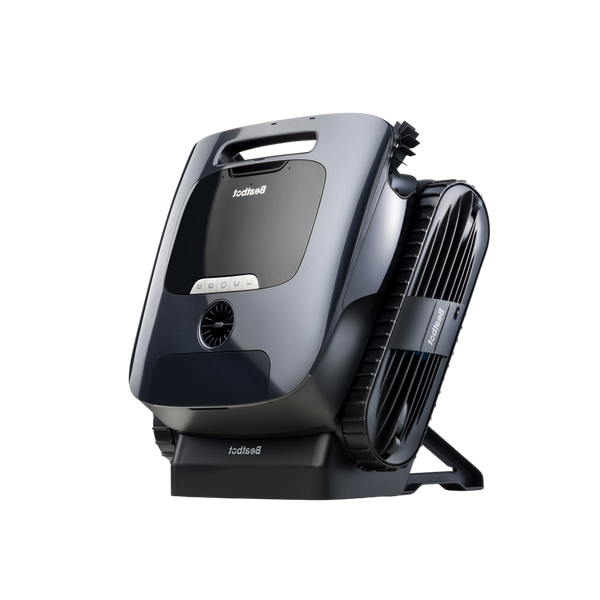
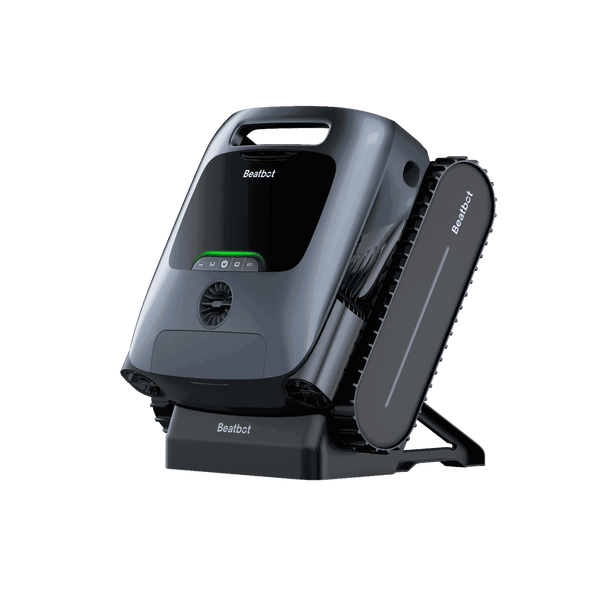
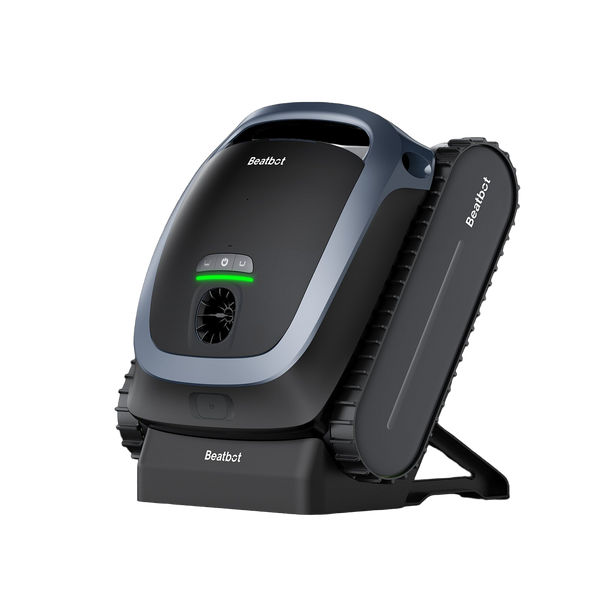
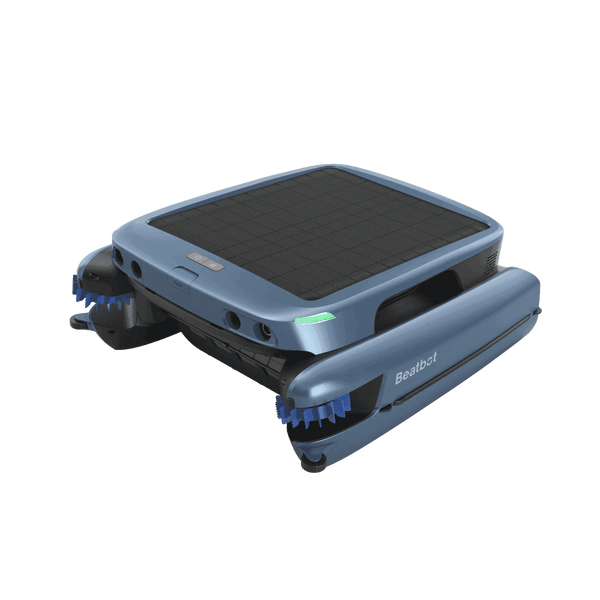
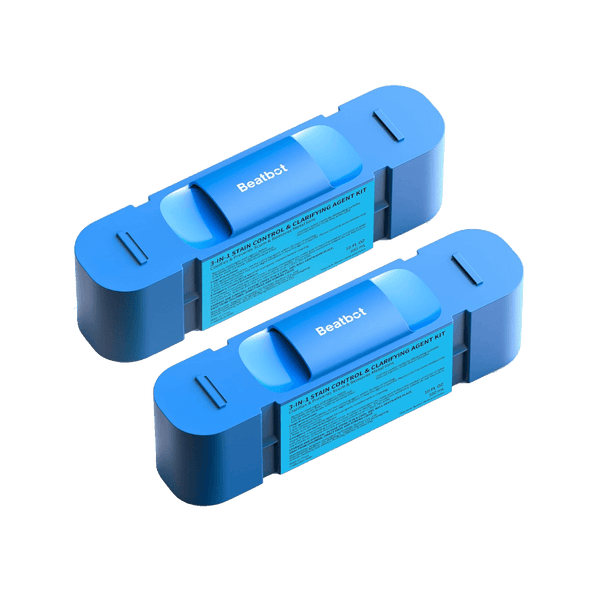
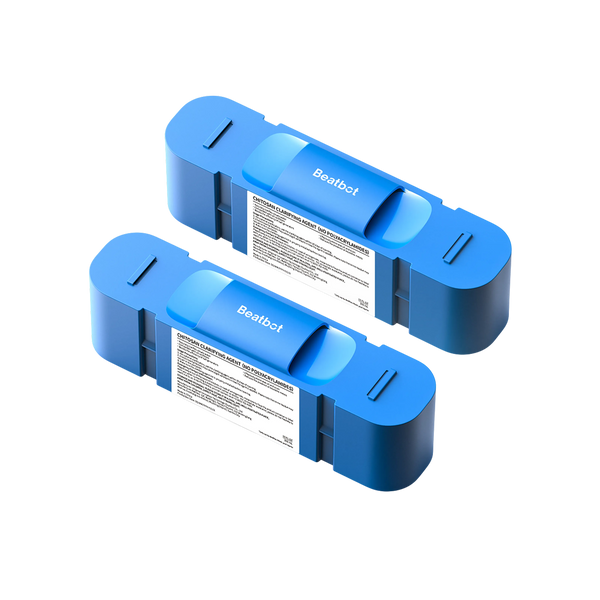
That is where a robotic pool cleaner can help, especially one that does more than remove visible debris. Beatbot AquaSense X is designed for this stage because it combines cleaning with ClearWater™ clarification. Its AquaRefine clarifier uses chitosan derived from recycled crab shells, a skin-safe, eco-friendly ingredient that helps bind fine suspended matter into larger clumps for easier removal during cleaning. The robot automatically and evenly dispenses the clarifier as it works, making the process simpler and more consistent than manual dosing. It also helps reduce metal ions and scale buildup that can affect water clarity.
Beatbot AquaSense 2 Ultra fits a slightly different situation. Some pools clear up, then turn dull again because contamination continues to build. In that case, AquaSense 2 Ultra combines 5-in-1 cleaning with ClearWater™ clarification, while its water monitoring features help users see when contamination levels remain high after treatment. That makes it a better option for pools with recurring clarity problems, not just a one-time cloudy episode.
FAQ
Will chlorine fix a cloudy pool?
It can, but only when low sanitizer or early algae is the real problem. If the water is cloudy from high pH, high calcium, or weak filtration, chlorine alone will not clear it.
Can too much chlorine make a pool cloudy?
Yes, it can. A large chlorine dose can stir up existing particles, and some shock products can add calcium that leaves the water looking milky. In that case, the cloudiness usually points to what was already in the pool, not just the chlorine itself.
Will a cloudy pool clear on its own?
A very light haze might improve if the chemistry is already in range and the filter runs long enough. A truly cloudy pool usually needs action. If the root cause stays in place, the water often stays dull or gets worse.
What happens if you put too much shock in a pool?
The water can turn cloudy for a while, the chlorine level can spike, and the pool may feel uncomfortable to swim in until levels come down. In some pools, shock can raise calcium or leave more dead material for the filter to remove.
Will baking soda clear up a cloudy swimming pool?
No, not by itself. Baking soda raises total alkalinity. That can help when alkalinity is low, but it can make the water worse if alkalinity is already high. It is not a general fix for cloudy pool water.
Will vinegar clear a cloudy pool?
No. Vinegar is not a practical treatment for a full pool. Cloudy water needs the right mix of sanitizer, balanced water, and working filtration. Household shortcuts do not solve that system problem.


