Most Popular


 Sora Series


 AquaSense Series

 Skimmer & Bundle

 Retail Edition


 Accessories


A saltwater pool does not taste like the ocean. Ocean water has a salinity of about 35,000 to 38,000 ppm. A home saltwater pool is often closer to 3,000 ppm, so most swimmers barely notice the salt. Taste is not what matters here.
What matters is how the pool makes chlorine, how steady that chlorine stays, and how that affects comfort, upkeep, and cost.
A saltwater pool cuts down on some manual chlorine work, but it adds equipment dependence and needs closer pH control. That balance works well for some owners and not for others.

Pros of Saltwater Pools
The appeal is easy to understand. A saltwater pool still uses chlorine, but it makes that chlorine in a steadier way. When the water stays balanced, that can make the pool easier to manage and nicer to swim in.
Alt: the main benefits of saltwater pools
Softer and More Comfortable Water
Many first-time buyers hear saltwater pool and assume it is more natural or free of chlorine. It is not. A saltwater pool still sanitizes with chlorine. The difference is the source. Instead of adding chlorine by hand on a regular basis, the system makes it from dissolved salt as the water circulates.
That steady supply can change how the water feels. In many pools, the softer feel comes from more stable chlorine levels and a milder smell, not from salt doing something special for skin. A well-run salt system is less likely to swing from a heavy chlorine dose to a low point a few days later.
Water balance still decides the outcome. If pH runs too high or too low, if free chlorine drifts out of range, or if chloramines build up, swimmers can still deal with dry skin, eye irritation, and an unpleasant smell. A saltwater pool can feel better, but it does not feel better by default.
Less Manual Chlorine Handling
A saltwater pool reduces how often you need to handle chlorine yourself. The salt chlorine generator turns dissolved salt into chlorine during circulation, then keeps producing small amounts based on the output setting.
That is a real advantage for owners who do not want to keep adding tablets or liquid chlorine every few days.
This setup helps smooth out the highs and lows that are common in a traditional chlorine pool. Instead of adding a larger dose and waiting for it to fade, the system keeps feeding sanitizer into the water in smaller amounts. The chlorine level usually stays on a more even line.
Automatic does not mean maintenance free. You still need to test the water, watch swimmer load, and adjust output after heat waves, storms, or heavy use. The generator takes care of part of the work. It does not take over the whole job.
More Stable Maintenance
Saltwater pools often feel easier to stay on top of from one day to the next. That comes down to steady chlorine production during the filtration cycle.
In a traditional chlorine pool, sanitizer can spike after dosing and then drop as sun, swimmers, and contaminants use it up.
A saltwater pool is usually more stable. When chlorine stays within a tighter range, the water is less likely to slip into poor condition between checks, and smaller corrections are often enough.
That is why many owners find the routine more manageable. Test the water, make a small adjustment, and let the system keep running. The rhythm is simpler when the chlorine level is not jumping around.

Cons of Saltwater Pools
The drawbacks are real too. A saltwater pool can cost more to set up, ask for more equipment attention, and require tighter pH control. It can be a very good system, but it still needs regular care.
Higher Upfront Installation Cost
A saltwater pool needs more hardware than a traditional chlorine pool. The main extra piece is the salt chlorine generator system, which usually includes a control unit and an electrolytic cell. Installation may involve plumbing work, electrical connection, or both.
That raises the starting cost. A traditional pool can begin with manual chlorine products and basic feeders. A saltwater pool needs the generator in place before it can work as intended. For many owners, that extra upfront spend is acceptable. It is still one of the clearest downsides at the buying stage.
Ongoing Equipment Maintenance and Replacement
A saltwater system depends on equipment that wears down over time. The electrolytic cell does not last forever. It ages with use and will need replacement sooner or later.
Minerals can build up on the cell and reduce chlorine output. Some systems include extra parts such as sensors, flow switches, and control boards, and those parts may need service too.
This is where the idea of a saltwater pool and the reality of owning one often split. The work moves away from frequent chlorine handling and toward equipment care.
pH Rise and Scaling Risks
Saltwater pools often drift upward in pH. New owners tend to underestimate how much that matters. When pH stays high for too long, scale becomes more likely to form, and the cell is often one of the first places where that buildup appears.
Scale can reduce chlorine production and make cleaning more frequent. Over time, it can shorten cell life. The issue is often more noticeable in hard water areas, where calcium levels are already high.
That is why the more comfortable feel of a saltwater pool should not be treated as automatic. If pH control slips, the water can feel rougher, the system can work less efficiently, and equipment wear can increase at the same time.

Potential Corrosion to Metals and Surrounding Materials
Salt in the water does not instantly ruin everything around the pool. The bigger issue is splash-out, salt residue left behind after evaporation, and long exposure to damp, salty surfaces.
That risk usually shows up on metal rails, screws, light fixtures, hardware, equipment housings, and some stone finishes. If drainage is poor, if deck areas do not get rinsed, or if the pool was built with less resistant materials, damage can show up faster.
This concern is sometimes overstated, but it is still real. Saltwater pools ask for more attention to nearby materials than many buyers expect.
More Sensitive to System Conditions
A saltwater pool only performs well when system conditions stay in range. The generator needs proper salinity, enough water flow, enough run time, and water that is not too cold for the unit to work well.
If salt drops too low, water temperature falls, or circulation is weak, chlorine output can drop. Some units will alert you. Others will simply produce less chlorine until the issue is fixed. A setup that felt stable last week can come up short after a heat wave, a busy swim weekend, or a storm that dilutes the water. That can catch new owners off guard, especially in peak summer use or right after heavy rain.
This does not make saltwater pools a poor choice. It does mean they suit owners who pay attention to settings and how the pool is behaving.

Who Should Choose a Saltwater Pool
A saltwater pool is a strong fit for owners who want less manual chlorine handling and a steadier daily routine. It works well for families who care about water feel and want a pool that is less likely to swing between a heavy chlorine dose and a low sanitizer period.
It makes the most sense when the pool gets regular use and the owner is willing to do basic testing and occasional equipment checks. That includes watching pH, checking the cell, and adjusting generator output when weather or swimmer load changes.
It is a poor fit for anyone who wants a pool that feels fully maintenance free or wants the lowest possible startup cost. Saltwater pools remove some chores, but they add equipment needs and ask for closer attention to water balance.
If your goal is to make a saltwater pool easier to live with, not just easier to sanitize, a robotic pool cleaner can reduce the debris load that still drives extra cleanup and chlorine demand.
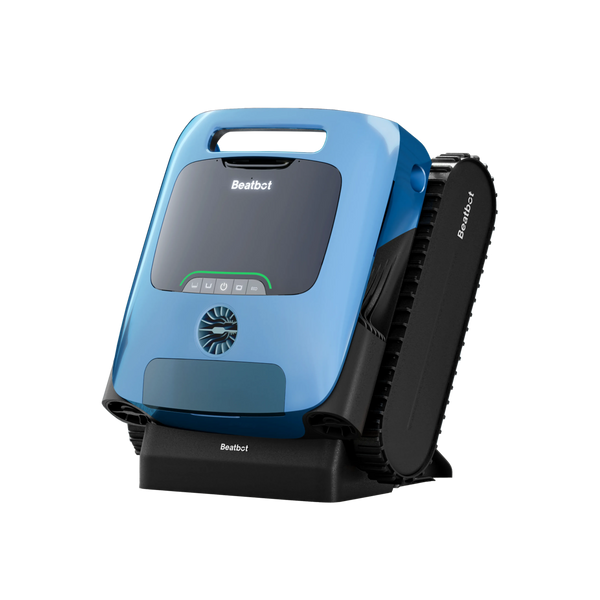
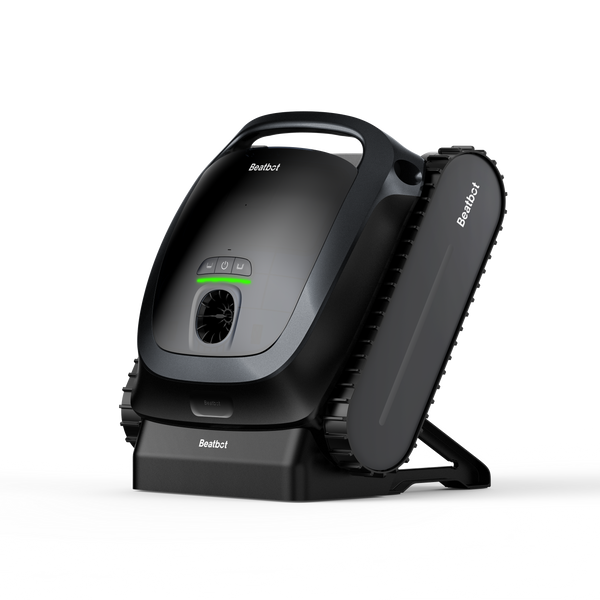
Beatbot Sora 70 pool vacuum robot is the better fit when leaves and floating debris build up fast, since its dedicated water-surface cleaning, shallow-water and platform coverage, and large 6L debris basket help remove debris before it keeps circulating through the pool.
Beatbot AquaSense 2 Ultra automatic pool cleaner makes more sense for owners who want broader automated support, since its 5-in-1 cleaning, AI pool mapping, and AI debris detection help it spend more time where debris tends to collect. Neither one replaces salt cell care or water testing, but both can make a saltwater pool easier to keep on a stable routine.
FAQ
Do salt water pools smell?
A saltwater pool should not have a strong smell when the water is balanced. If it smells harsh, the usual cause is chloramines or poor water balance, not the salt itself.
Can you heat a salt water pool?
Yes, you can heat a saltwater pool. It works much like heating a traditional chlorine pool, though warmer water can increase chlorine demand and make scale buildup more likely if balance slips.
How many hours a day should a salt water pool run?
There is no single fixed number. A saltwater pool should run long enough for circulation and chlorine production to keep sanitizer levels steady. Hot weather, heavy use, and stormy conditions often require longer run times.
Does rain lower salt in the pool?
Yes, heavy rain can dilute pool water and lower salinity, especially if the pool overflows. After a major storm, test salt and chlorine before changing the generator setting.