Most Popular


 Sora Series


 AquaSense Series

 Skimmer & Bundle

 Retail Edition


 Accessories


People often say saltwater pools feel softer and easier on skin and eyes. Other people call that a sales line or a placebo effect. Both views miss part of the story. A saltwater pool still sanitizes with chlorine. The difference comes from how that chlorine is made, how steady it stays, and how the water is managed day to day. Some swimmers feel a clear change. Some do not. So the honest answer is simple. Saltwater pools can feel better, but not for the reason many people assume.

Saltwater Pools Still Use Chlorine
A saltwater pool still uses chlorine. The main difference is how the chlorine gets into the water.
In a standard pool, chlorine is usually added by hand through liquid chlorine, tablets, or granules. In a saltwater pool, dissolved salt moves through a salt cell. The cell uses electrolysis to turn that salt into chlorine. So the pool is still chlorinated. Saltwater does not mean chlorine free.
That clears up the biggest saltwater pool myth. The name makes some people picture ocean water, a mineral spring, or a pool with no chlorine at all. That is not what a backyard salt pool is. It is a chlorine pool that makes its own chlorine from salt. The active sanitizer still comes from the same chlorine chemistry, with hypochlorous acid doing the main sanitation work.
The care basics stay the same too. A salt system does not remove the need to check free chlorine, pH, and overall balance. Home pools still need regular testing and correction. If chlorine drops too low, sanitation drops with it. If pH drifts out of range, the water can feel rough on skin and eyes, and chlorine works less well.

Why Saltwater Pools May Feel Better
Saltwater pools can feel better to some swimmers. That difference is partly chemical, partly personal, and not universal.
Why Some Swimmers Say Yes
One reason is the feel of the water itself. Saltwater pools usually run at about 3,000 ppm of salt. That is nowhere near seawater, yet it is enough to change the feel on the skin. Many swimmers describe it as softer or silkier.
A common explanation is that this salt level sits a bit closer to the body’s own salt balance than plain pool water, so skin may feel less stripped or tight after a swim. That does not turn the pool into a treatment. It just changes the water feel.
Another reason is chlorine stability. A salt chlorine generator makes chlorine in small, steady amounts through the day instead of relying on larger manual doses. That can cut down the sharp ups and downs some swimmers get with other chlorination methods. When free chlorine stays in a tighter range, the water often feels less harsh from one swim to the next.
Chloramines matter too. The strong pool smell and the eye sting many people blame on chlorine often come from chloramines, which form when chlorine reacts with sweat, body oils, urine, and other contaminants.
A well run salt system often holds sanitation in a steadier place, and that can help keep chloramine pressure lower. That is one reason some swimmers report less eye sting and less pool smell in saltwater pools.

Why Some People Push Back
The pushback makes sense. On the chemistry side, saltwater pools and traditional chlorine pools are not opposites. Both rely on chlorine sanitation. Both still need proper free chlorine, pH, alkalinity, and filtration. If a standard chlorine pool is managed very well, it can feel very close to a saltwater pool.
There is another misunderstanding here. Many people hear saltwater and assume the water contains magnesium or potassium, like a mineral bath or spa soak. A typical pool salt system uses sodium chloride. It is not a Dead Sea treatment, and it is not a mineral spring. The low salt level can change the feel of the water. That is not the same thing as adding skin friendly minerals.
Personal response matters too. Some swimmers notice the difference right away. Some barely notice it. Sensitive eyes, dry skin, hard local water, and long swim sessions can make the contrast feel stronger. So the answer is not pure placebo, and it is not a guaranteed upgrade for every swimmer.
Why Saltwater Pools Do Not Always Feel Better
A saltwater pool does not feel better when water balance and cleaning slip.
Salt does not protect swimmers from poor chemistry. If pH runs high or low, eyes can sting and skin can feel rough or dry. Salt systems often trend upward in pH over time, so they still need active acid management. Ignore that trend, and the water can feel worse, not better.
Chloramines can still build up too. Heavy swim load, leaves, pollen, sunscreen, body oils, and other debris all add waste to the water. If that material stays in the pool, the water can start to smell sharp and feel irritating. A salt cell does not erase that. It only changes how chlorine gets fed into the system.
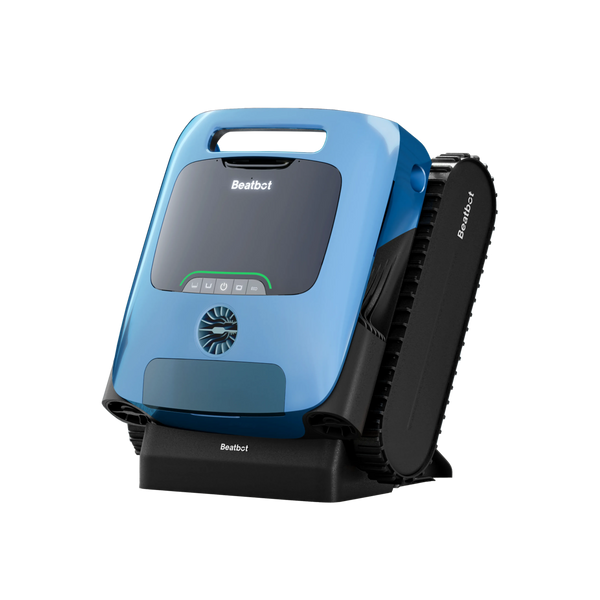
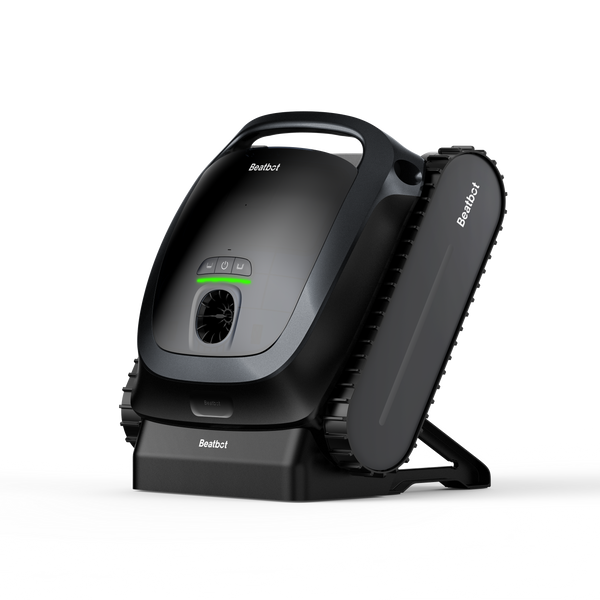
That is where maintenance quality starts to matter more than the salt label. Beatbot AquaSense 2 Ultra fits pools that need full vessel cleanup, not just floor passes. Its 5 in 1 cleaning and AI debris detection help clear residue from the floor, walls, waterline, and surface before that waste keeps sitting in the water.
Beatbot Sora 70 pool robot vacuum fits a different problem. Its JetPulse surface cleaning, 6,800 GPH suction, and 6 L debris basket are built for pools that collect floating leaves, insects, pollen, and shallow area mess fast. Neither robot handles chlorine or pH. They cut down the debris load that can make water harder to keep clean and comfortable.
Saltwater Vs. Chlorine Pools for Skin and Eyes
For skin and eyes, water condition matters more than the pool label.
Skin Dryness
A saltwater pool may leave some swimmers feeling less tight or less dry after a swim. That report is common, and the low salinity effect may be part of it. Salt is not a built in skin treatment, though.
Skin comfort still depends on pH, free chlorine, chloramines, water hardness, and the swimmer’s own skin barrier. A poorly managed saltwater pool can still leave skin dry, itchy, or rough.
That is why broad claims like saltwater pools are good for your skin miss the point. They may feel better for some people. That is not the same as saying saltwater protects skin by default.
Eye Comfort
Eye comfort follows the same pattern. Red, burning, or itchy eyes are tied more closely to chloramines and poor water balance than to the simple fact that chlorine is present. A clean, balanced chlorine pool can feel fine on the eyes. A neglected saltwater pool can still sting.
This is one reason the idea of chlorine smell causes so much confusion. A sharp pool odor does not always mean a pool has too much free chlorine. In many cases, it points to chloramines and a pool that needs better management. Saltwater systems can help some owners keep water more stable, which is why some swimmers report a gentler feel.
What Frequent Swimmers Notice Most
Frequent swimmers tend to notice the difference more than occasional swimmers. Kids, lap swimmers, and people with sensitive skin or eyes spend more time in the water, so small shifts in water balance show up faster for them. That does not mean they all prefer saltwater. It means they are more likely to notice when the water is stable, clean, and easier on the body.

What Matters More Than Salt
Free chlorine, pH, chloramines, and day to day upkeep matter more than salt.
Free Chlorine
Free chlorine is the part of chlorine ready to sanitize the pool. If it drops too low, the pool gets less clean. If it swings too high, comfort can drop. Saltwater pools earn much of their reputation from steadier chlorine production, not from escaping chlorine itself.
pH
pH has a direct effect on comfort. When pH drifts out of range, skin and eyes often feel it fast. Salt systems have a known tendency to push pH upward, so this is one of the first places a saltwater pool can lose its soft feel.
Chloramines
Chloramines are a major reason pools smell strong and irritate eyes and skin. They form when chlorine reacts with contaminants in the water. That is why odor and sting often point to a management problem, not proof that a pool has too much chlorine.
Overall Maintenance
Good maintenance turns chemistry targets into a good swim. Circulation, filtration, skimming, brushing, surface cleanup, and debris removal all shape how the water feels. A saltwater pool can feel great. A chlorine pool can feel great too. The pool that feels better is usually the one that stays cleaner, more stable, and better balanced.
FAQ
What Are the Disadvantages of a Salt Water Pool?
A saltwater pool can cost more up front, and the salt cell will wear out over time. pH often drifts upward too, so owners still need regular testing and acid adjustment. The softer feel does not remove the need for maintenance.
Why Would Anyone Want a Saltwater Pool?
Most people choose a saltwater pool for steadier chlorine production and a milder swim feel. The appeal is not natural water. It is a pool that can stay more even from day to day with less manual chlorination.
Is a Salt Water Pool Sanitary?
Yes, a saltwater pool can be sanitary. It still disinfects with chlorine, just produced from salt. Clean water still depends on proper free chlorine, balanced pH, filtration, circulation, and regular debris removal.
Will a Salt Water Pool Damage Your Hair?
It can dry hair over time, yet it is not automatically harsher than another chlorinated pool. Hair condition depends more on swim time, chlorine exposure, water balance, and how well you rinse and wash your hair after swimming.