Flagship


 Sora Series


 AquaSense Series


 Skimmer & Bundle

 Retail Edition


 Accessories




 Extended Warranty


The short answer: wait at least 8 to 24 hours after shocking your pool, and always confirm that your free chlorine level has dropped to between 1 and 4 ppm before anyone gets in. The exact window depends on the type of shock you used, how much you added, and the current condition of your water. Swimming too soon can cause skin irritation, eye redness, and respiratory discomfort from high chlorine concentrations.
Why Shocking Raises Chlorine Above Safe Levels
Pool shock works by flooding the water with a high concentration of oxidizer, either chlorine-based or non-chlorine, to break down contaminants like bacteria, combined chloramines (chlorine that has reacted with body oils, sweat, and sunscreen), and algae.
That spike is the point. Shock temporarily raises free available chlorine far above the normal 1–4 ppm maintenance range, sometimes to 10 ppm or higher when you are treating an algae outbreak.
Chlorine at those concentrations is an irritant. It can bleach swimwear, irritate skin and eyes, and in an enclosed or poorly ventilated space, produce fumes strong enough to trigger respiratory symptoms.
Wait Times by Shock Type
The biggest variable in how long you wait is the type of shock you used. Here is what each one typically requires.
|
Shock Type |
Wait Time |
Test Before Swimming |
Notes |
|
Calcium hypochlorite |
24–48 hours |
Yes, below 4 ppm |
Most common chlorine shock |
|
Sodium dichlor |
12–24 hours |
Yes, below 4 ppm |
Dissolves faster |
|
Non-chlorine (potassium monopersulfate) |
15–20 minutes |
Yes, confirm no shock residue |
No chlorine added |
Calcium hypochlorite (cal-hypo) is the most widely used chlorine shock and the one that demands the most patience. At a standard dose, chlorine levels typically return to the safe swimming range within 24 hours, though heavy treatments for algae can extend that to 48 hours or more.
Sodium dichlor dissolves faster and generally reaches safe levels in 12 to 24 hours, depending on dose. Non-chlorine shock (potassium monopersulfate) does not raise chlorine at all, so it oxidizes contaminants without the extended wait. Most pools are safe to use within 15 to 20 minutes after adding it, once the product has circulated.
These are baselines, not guarantees. A larger pool, a higher dose, cloudy water, or heavy debris load can all push the timeline out. Always verify with a test before swimming, not a clock alone.
How to Know When It's Safe to Swim

The only reliable method is testing the water. A free available chlorine reading between 1 and 4 ppm means the concentration is low enough to be safe and high enough to still sanitize. If you are above 4 ppm, wait and retest every hour or two. If you are below 1 ppm, the shock may not have completed its work, and you should hold off until levels stabilize.
Chlorine levels drop on their own through three main pathways: oxidation as chlorine reacts with contaminants and gets consumed, off-gassing into the air, and UV breakdown from sunlight. There is no chemical you should add to speed this up. Letting the pool sit, run, and ventilate is what does the work.
Keep the pool pump running continuously from the moment you add shock until you test. Circulation distributes the chemicals evenly and speeds up off-gassing. Without it, you can end up with concentrated pockets of chlorine near the return jets while other areas read lower. Run the pump for at least 5 to 8 hours after adding shock before pulling your first test.
For the most accurate picture, an in-store water test is more comprehensive than strips at home.
What Affects the Wait Time
Shock dose has the largest effect after shock type. A double dose added to knock out an algae bloom will take roughly twice as long to drop back to the safe range compared to a standard weekly treatment. Pool size matters proportionally: the same amount of shock added to a smaller pool raises chlorine to a higher peak and takes longer to dissipate.
Water temperature also plays a role. Warmer water accelerates the chemical reactions involved in shock dissipating, while colder water slows them down.
What Happens If You Swim Too Soon
Swimming in water with free chlorine above 4 ppm typically causes red eyes, dry or itchy skin, and a strong chlorine smell that lingers on skin and hair. At very high levels, some people experience mild respiratory irritation, particularly in enclosed pool environments. These effects are temporary and not a sign of long-term harm, but they are unpleasant enough to make waiting the correct call.
There is also a practical reason to wait beyond comfort: high chlorine levels can bleach or degrade swimwear fabric and pool accessories. If you have automatic pool equipment in the water during a shock treatment, check the manufacturer guidelines, as some equipment is rated for specific chlorine concentration limits.
Reducing the Wait With Cleaner Pool Water

The cleaner your pool is going into a shock treatment, the faster chlorine levels return to a safe range. Organic debris like leaves, pollen, dead insects, and body oils consume chlorine as it oxidizes them, which forces you to add more shock and wait longer for it to clear. Cutting down that debris load is the most direct way to shorten your wait between shocking and swimming.
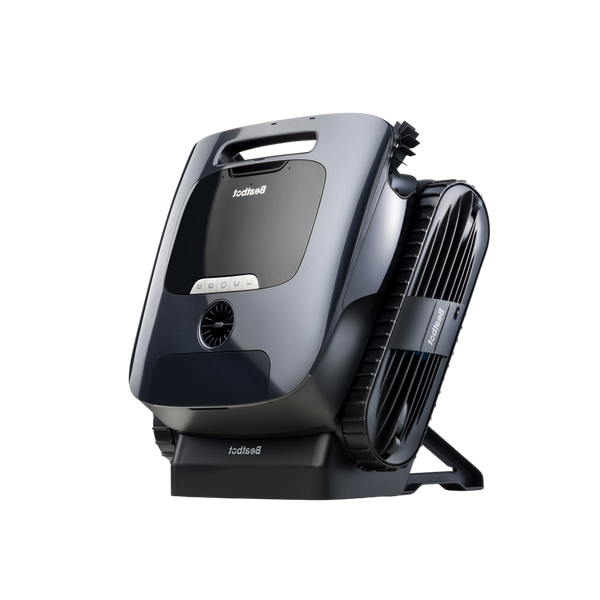
The Beatbot AquaSense 2 Pro robotic pool cleaner targets this directly with its 5-in-1 coverage of the water surface, waterline, walls, and floor in a single cycle, which keeps debris from accumulating in any one zone. Its 22-sensor navigation maps the full pool layout, so it does not skip sections that quietly build up debris over time. The result is a pool that goes into each weekly shock treatment with less for chlorine to break down.
For pools that collect heavy floating debris, the Beatbot Sora 70 robotic pool cleaner adds JetPulse™ water surface technology, using twin water jets to capture leaves, pollen, and insects before they sink and start consuming chlorine. Pulling that material out at the surface stage means less organic load reaches the floor, which keeps overall chlorine demand lower.
Best Time to Shock Your Pool
Shock your pool at dusk or just after sunset. Sunlight breaks down free chlorine through UV exposure, and shocking in direct sunlight means a meaningful portion of your chlorine oxidizes before it can do its job. Adding shock in the evening lets it work overnight undisturbed, and by the next morning, levels have typically dropped into the safe swimming range.
Shocking after the last swim of the day also lets you close out the session without imposing a wait on anyone. If you are on a weekly maintenance schedule, build shocking into your evening routine rather than a daytime task, and run the pump overnight to circulate the chemicals fully.
FAQs
Can I swim 8 hours after shocking my pool?
Possibly, but only if you test first. For lower-dose chlorine shock treatments, 8 hours may be enough for free chlorine to drop below 4 ppm. For heavy shock doses or cal-hypo used against algae, 24 hours is more realistic. Test the water before anyone gets in, regardless of how much time has passed.
Does running the pump help the pool clear faster after shocking?
Yes. Continuous circulation distributes the shock evenly, prevents hot spots, and speeds up off-gassing. Run the pump for at least 5 to 8 hours after adding shock.
What if my chlorine is still above 4 ppm after 24 hours?
Wait and retest. This can happen with heavy doses or in smaller pools where the concentration is higher per volume of water. Direct sunlight will help burn off the excess faster. Avoid adding any more chemicals until levels are back in range.
If chlorine stays elevated for more than 48 hours, test for stabilizer (cyanuric acid) levels, as too much stabilizer can lock chlorine in a bound form that tests high but does not dissipate normally.
Does shocking a pool raise pH?
It depends on the shock type. Calcium hypochlorite and sodium hypochlorite (liquid chlorine) are alkaline and will raise pH, sometimes pushing it above the ideal 7.4 to 7.6 range. Sodium dichlor is closer to pH neutral. Non-chlorine shock is acidic and slightly lowers pH. Test pH the day after shocking and adjust if needed before resuming normal use.
How many bags of shock does it take to clear a green pool?
A standard green pool from algae typically needs a triple shock, meaning three times the normal weekly dose. For most pool shock products, that works out to roughly one pound (one bag) per 10,000 gallons for a single shock, so a triple treatment would be three pounds per 10,000 gallons.
Severely green or black-green pools can require more. Always follow the dose listed on your specific shock product, and brush the pool walls and floor before adding shock to break up algae and improve contact.