


 Flagship


 Sora Series


 AquaSense Series


 Skimmer & Bundle

 Retail Edition


 Accessories




 Extended Warranty


In most cases, you can swim 20 to 30 minutes after adding routine balancing chemicals such as pH increaser, pH decreaser, alkalinity increaser, clarifier, or algaecide, as long as the pump is running and the product label does not say otherwise.
Swim Wait Times by Chemical
These times are only starting points. The real green light is whether the chemical has fully dispersed and the water has tested back into range.

After adding pH or Alkalinity Chemicals
You can usually swim about 20 to 30 minutes after adding pH increaser, pH decreaser, or an alkalinity increaser, provided the pump is running and the chemical has had time to circulate. These products are commonly used for routine balancing, so the wait is usually short. A higher dose or poor circulation can extend the actual wait time.
After Adding Pool Clarifier, Stabilizer, and Algaecide
Clarifier and algaecide often allow swimming again after 15 to 30 minuteswith the pump on, but the label should always come first. These are not usually treated like shock or acid, yet they still need time to move through the pool.
Stabilizer, also called cyanuric acid, deserves a little more care. While you can swim immediately, it is best to wait until it fully dissolves, which can take up to 24 hours.
After Adding Calcium Hardness Increaser
Calcium hardness increaser usually needs 2 to 4 hours, and one full circulation cycle is even better. This is less about immediate swimmer irritation and more about giving the product enough time to dissolve and distribute evenly through the pool.
If calcium is not fully mixed, your readings can be misleading and the water may still be uneven in different areas of the pool. When the dose is large, many pool owners wait several hours or even until the next day before swimming.
After Adding Chlorine
If you add liquid chlorine or chlorine granules, a 2 to 4 hourwait is a reasonable starting point. But do not judge only by the clock. Swim only when free chlorine has dropped back into the normal swimming range for your pool.
It is whether chlorine is in range and whether the tablets are being fed properly through the system instead of creating concentrated water in one area. Test free chlorine and pH before anyone gets in.
After Shocking a Pool
Shock needs the longest wait in most normal pool-care situations. A common rule is 8 to 24 hours, and 24 hoursis the safer baseline unless the product clearly allows a shorter return-to-swim time. Non-chlorine shock may allow a shorter wait, but that should still come from the label, not guesswork.
After Adding Muriatic Acid
Muriatic acid usually requires about 30 minutes to 1 hourwith the pump running. The concern is not just the final pH reading. Right after dosing, acid can remain concentrated in one area before it fully disperses. Add it carefully, keep circulation going, and do not let anyone in until the pool has had time to distribute the dose.
After Adding Flocculant
You should wait 24 to 48 hours after adding pool flocculant (floc) before swimming. Floc works by binding fine particles together and dropping them to the bottom so they can be vacuumed out. Wait until the floc has fully settled, vacuum the pool to waste if required by the product, and only swim after the debris has been removed.
How Long After Adding Pool Chemicals Can You Retest?
Retest timing depends on what you added and how long the water needs to circulate.
For smaller balance adjustments such as pH increaser, pH decreaser, alkalinity increaser, clarifier, or algaecide, retesting after about 30 minutes is usually reasonable if the pump has been running. If circulation is weak or the dose was larger than normal, waiting closer to 1 hour gives a more reliable result.
For chlorine, calcium hardness increaser, and muriatic acid, retesting after 2 to 4 hours is more useful because the treatment needs more time to disperse evenly.
For shock, many pool owners retest several hours later or the next day, depending on the product and dose.
Do not retest based on speed alone. Retest after the chemical has had enough time to move through the full body of water, and always keep the pump running during that period.

Why Pool Chemical Wait Times Can Vary
The Type and Strength of the Chemical: Not all pool chemicals behave the same way once they hit the water. Dose matters just as much as product type.
Pool Size, Circulation, and Filtration Time: A larger pool usually needs more time for chemicals to circulate throughout the entire body of water.
Filtration time: In many pools, one full circulation cycle gives a better safety margin than a fixed number of minutes alone.
Sun, Heavy Use, and Water Conditions: Strong sun can burn off chlorine faster. Heavy swimmer use can push chlorine demand up. Debris, algae, and cloudy water can all make the treatment process less predictable.
Common Mistakes to Avoid Before Swimming
One common mistake is assuming every pool chemical has the same wait time. A short wait after pH adjustment does notmean the same rule applies to shock, acid, or flocculant.
Another mistake is relying on time alone. Wait times are only estimates because pool size, circulation, dose strength, sunlight, debris load, and starting water condition all affect how quickly the pool returns to normal.
The third mistake is getting back in before testing. If chlorine is still high after shock, or pH is still off after acid or alkalinity treatment, the pool is not ready no matter what the clock says.

How Better Daily Cleaning Can Help You Avoid Last-Minute Chemical Problems
Debris makes pool chemistry harder to control. Leaves, pollen, bugs, and fine dirt raise the organic load, use up chlorine faster, and can lead to last-minute chemical adjustments before swim time.
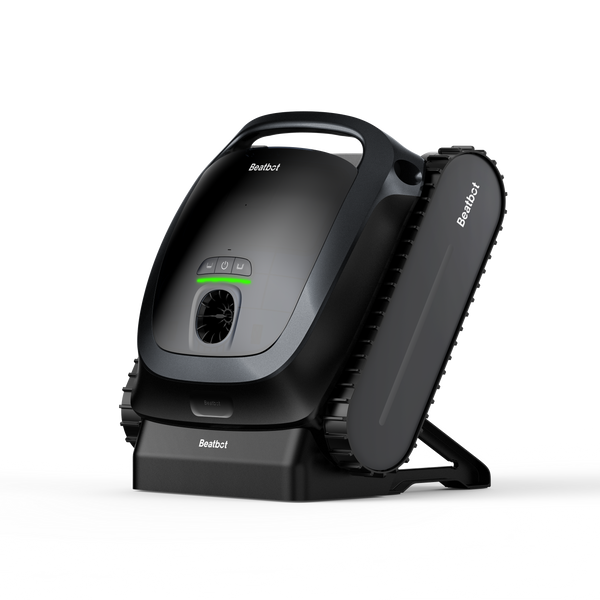
A Beatbot Sora 70 pool robotic cleaner helps reduce that problem by cleaning the water surface, floor, walls, waterline, and shallow areas in one machine.
The Beatbot Sora 70 also targets floating debris with its JetPulse™ water-surface cleaning system, so leaves and insects are removed before they break down in the pool. It cleans shallow areas down to 8 inches and uses strong suction with a large 6L debris basket for longer cleaning runs with fewer stops.
Final Thoughts
Follow the label, keep the pump running, and test the water before swimming. That simple routine is the safest way to avoid problems after any pool treatment.
If you are working on overall pool care, you can keep going by exploring Beatbot’s other pages for more help with routine maintenance, pool cleaning, and product options for different pool setups.
FAQs
Can you swim after adding alkalinity increaser?
Yes, in most cases you can swim about 20 to 30 minutes after adding alkalinity increaser, as long as the pump is running and the chemical has circulated.
What is the golden rule when using pool water chemicals?
Read the label, let the water circulate, and test before swimming.
How long does it take for a pool to clear up after chemicals?
It depends on the problem and the chemical used. Some pools improve within a few hours, but cloudy water can take up to a day or more to fully clear, especially after heavy debris, algae, or floc treatment.
Can you add multiple pool chemicals at the same time?
It is better not to unless the product label says it is safe. Some chemicals can interfere with each other, react too quickly, or give you inaccurate test results if they are added too close together.
What happens if you swim too soon after adding pool chemicals?
The most common issues are eye irritation, itchy skin, dryness, and discomfort. If the chemical is still concentrated in part of the pool, the reaction can be stronger. That is why circulation time and testing matter.
Do saltwater pools follow the same swim-wait rules?
Yes, in most cases. A saltwater pool still needs balanced water before anyone swims. If you add acid, alkalinity products, shock, or other treatment chemicals, the same basic wait-and-test rule still applies.
Is it better to add pool chemicals at night?
For many treatments, yes. Nighttime gives the water time to circulate without swimmers, and chlorine is not being burned off by direct sun as quickly. It also makes it easier to leave longer treatments undisturbed.
What should you do if someone gets in the pool too soon after chemicals were added?
Have them get out right away and rinse off with fresh water. If their eyes or skin stay irritated, or if a strong chemical dose was just added, get medical advice.
Can a robotic pool cleaner replace water testing after adding chemicals?
No. A robotic pool cleaner helps remove debris, but it does not tell you whether chlorine, pH, or alkalinity are in range. A model like the Beatbot Sora 70 robotic pool cleanercan make daily cleaning easier and reduce debris-related water problems, but you still need to test the water before swimming.


